
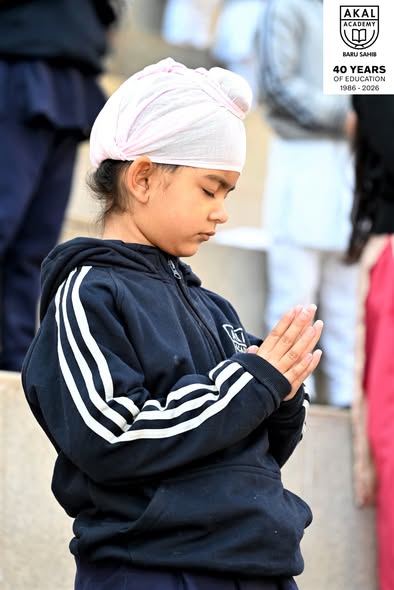
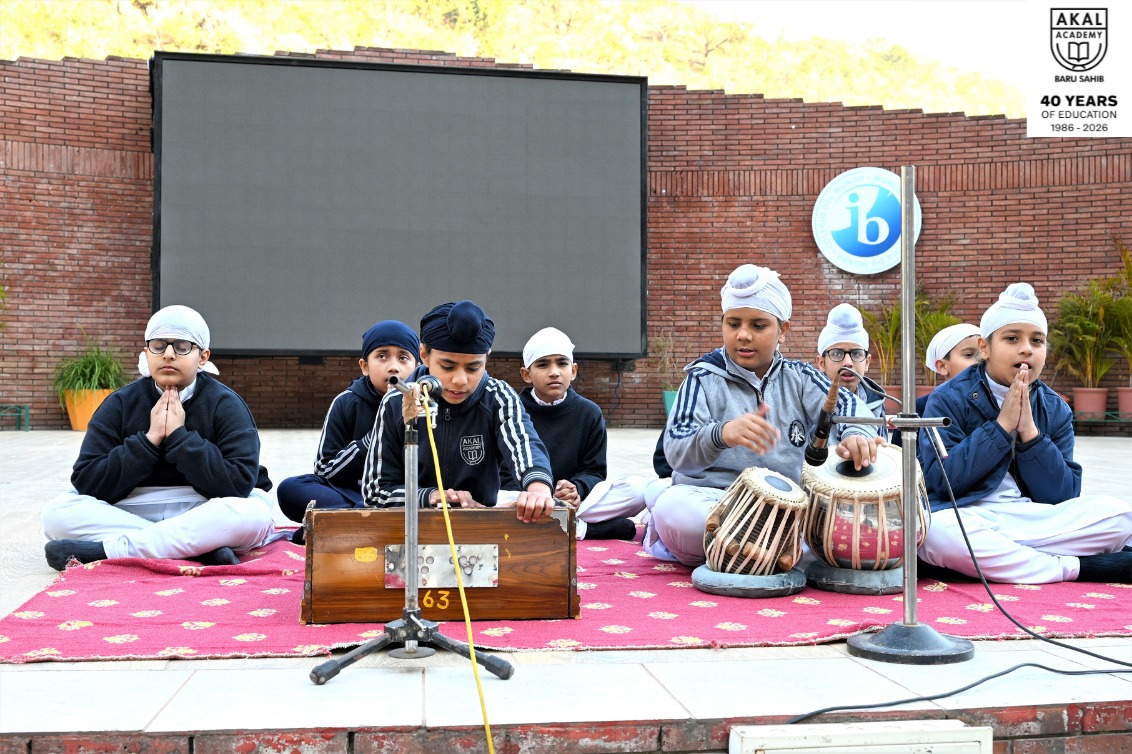
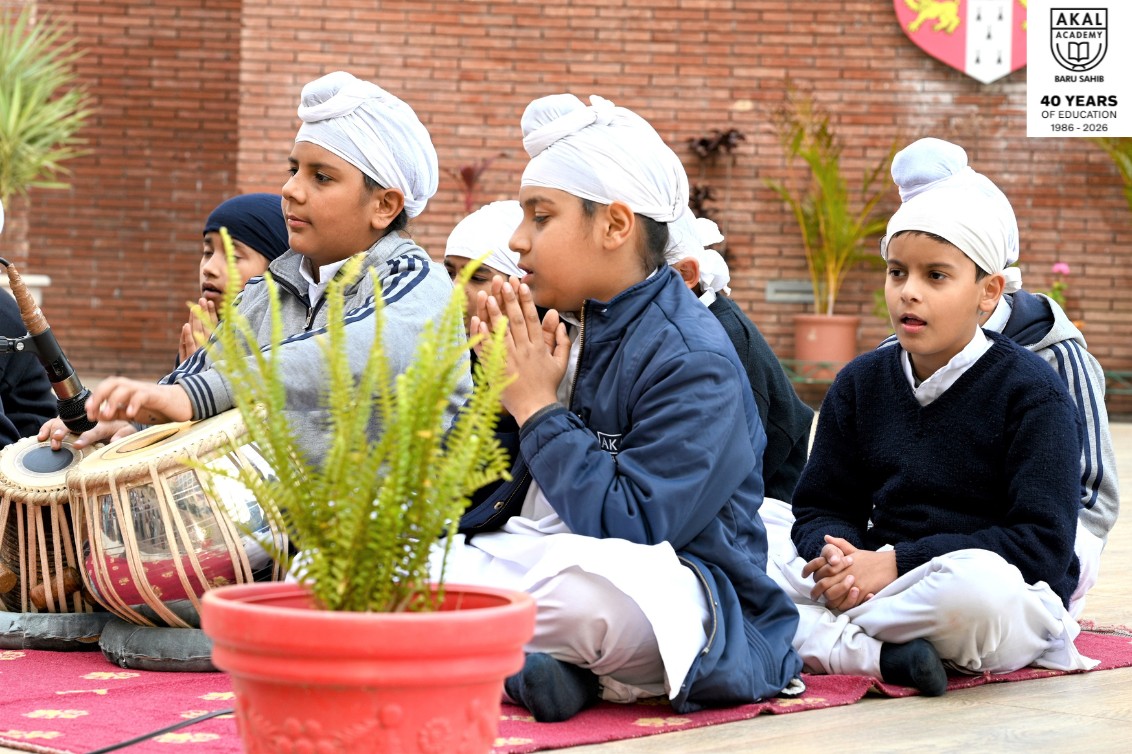
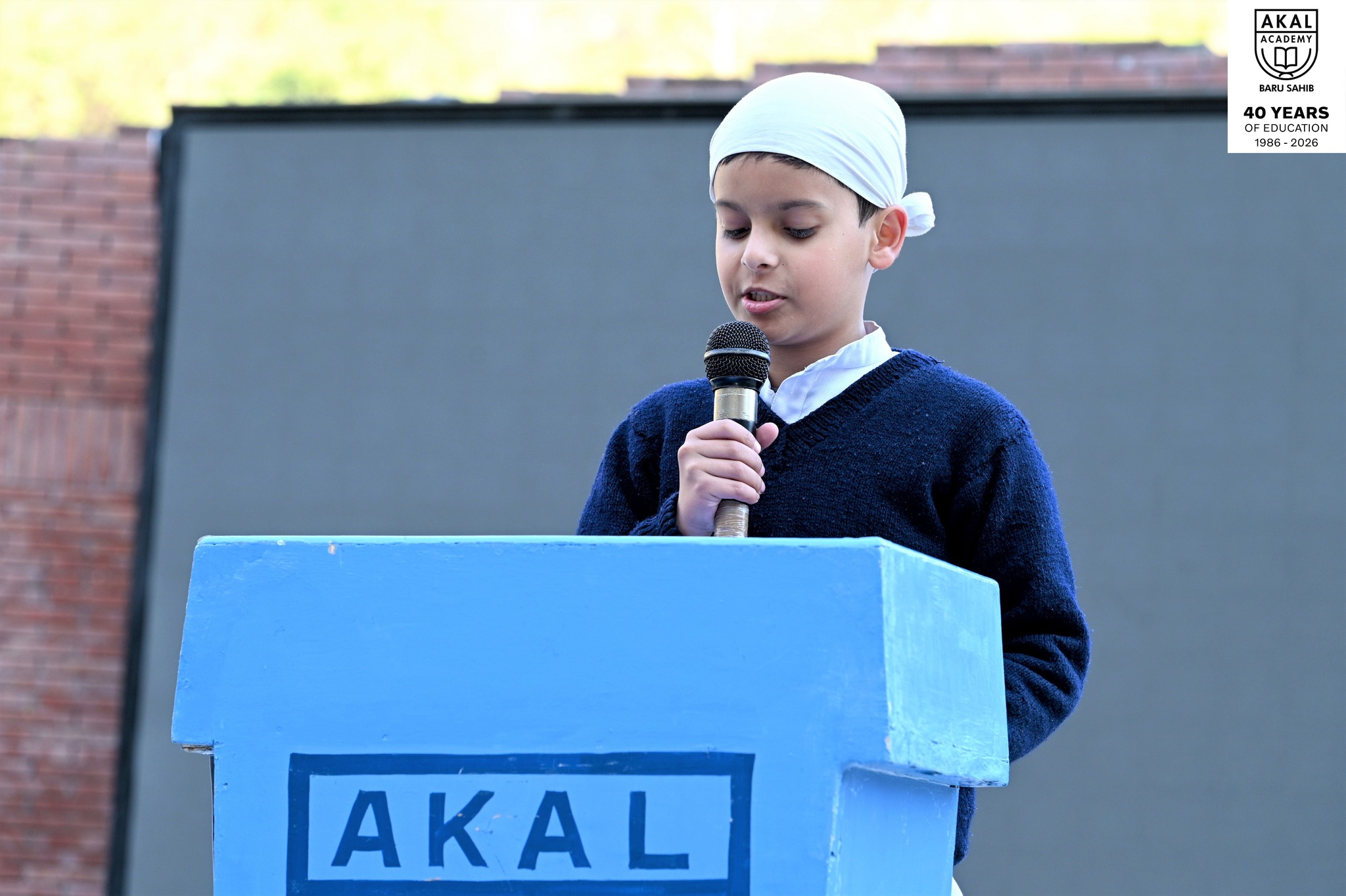
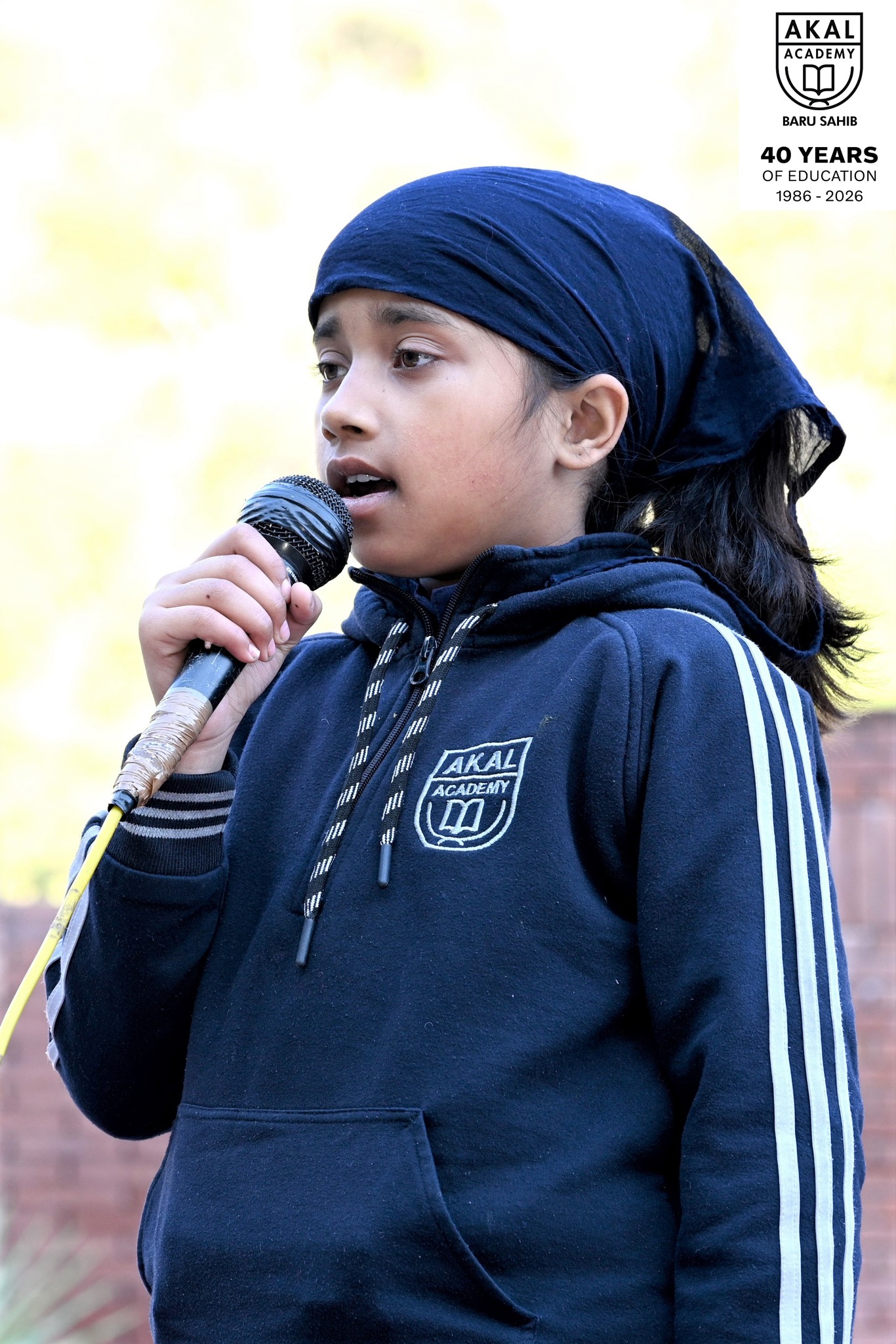
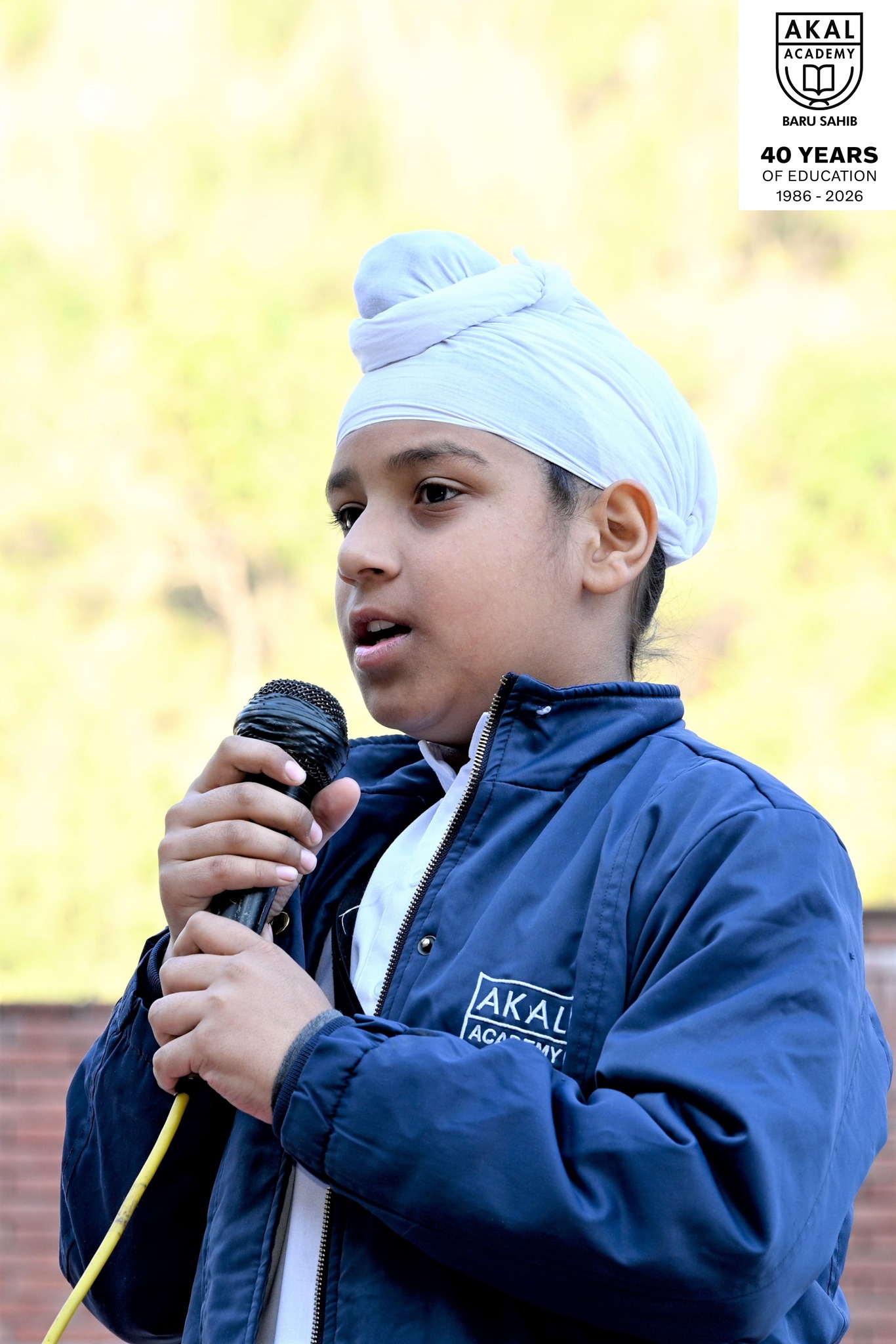
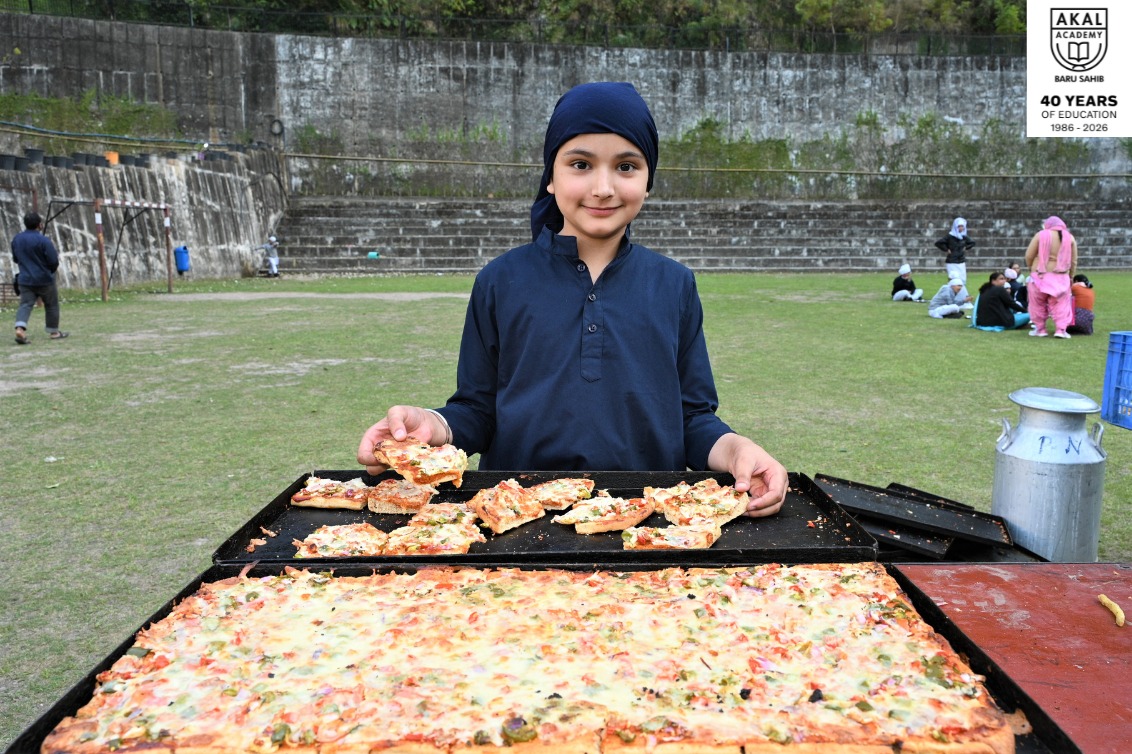
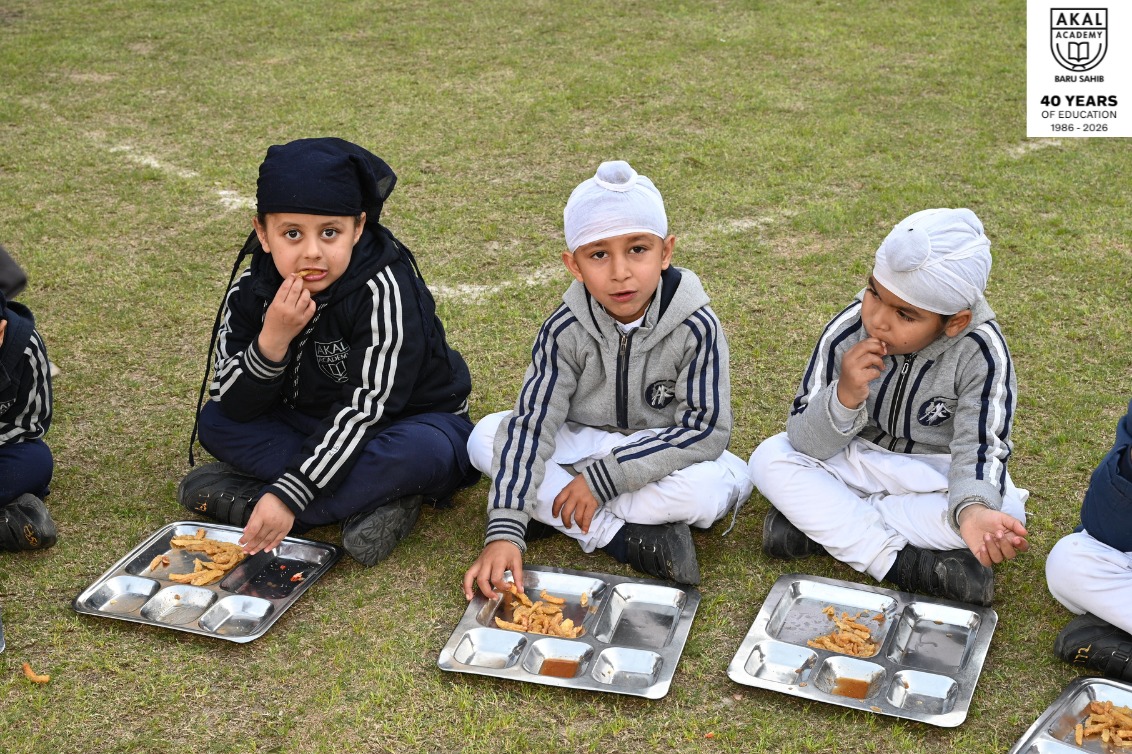
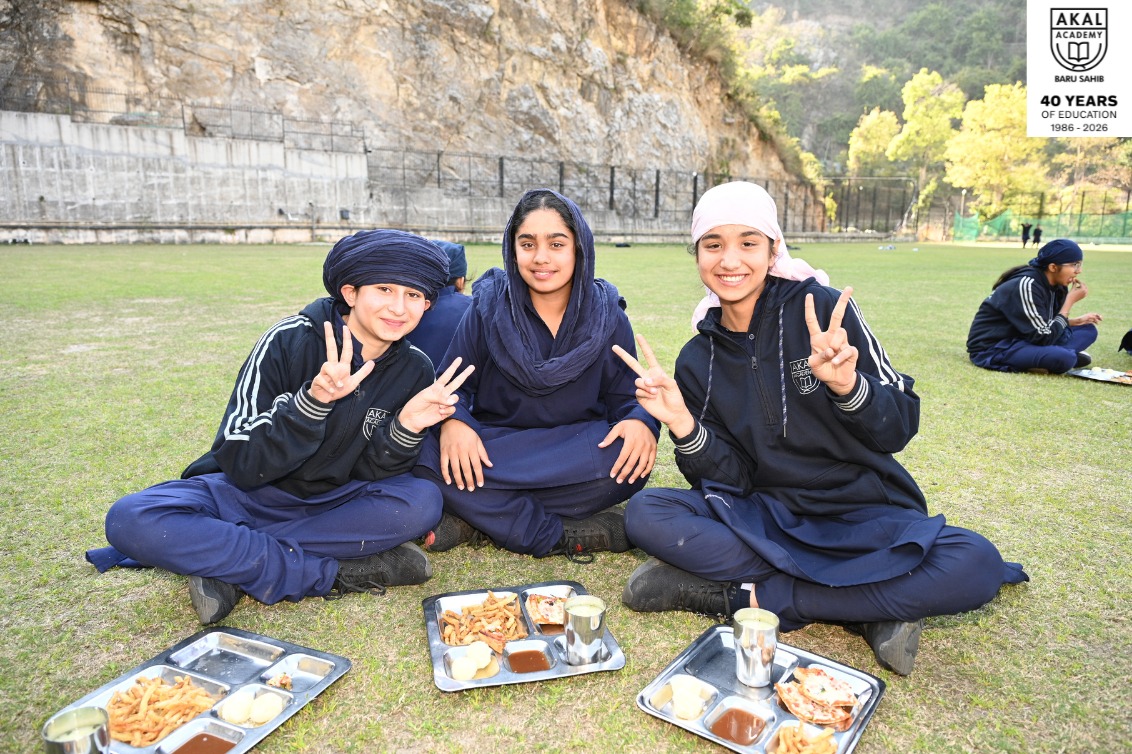
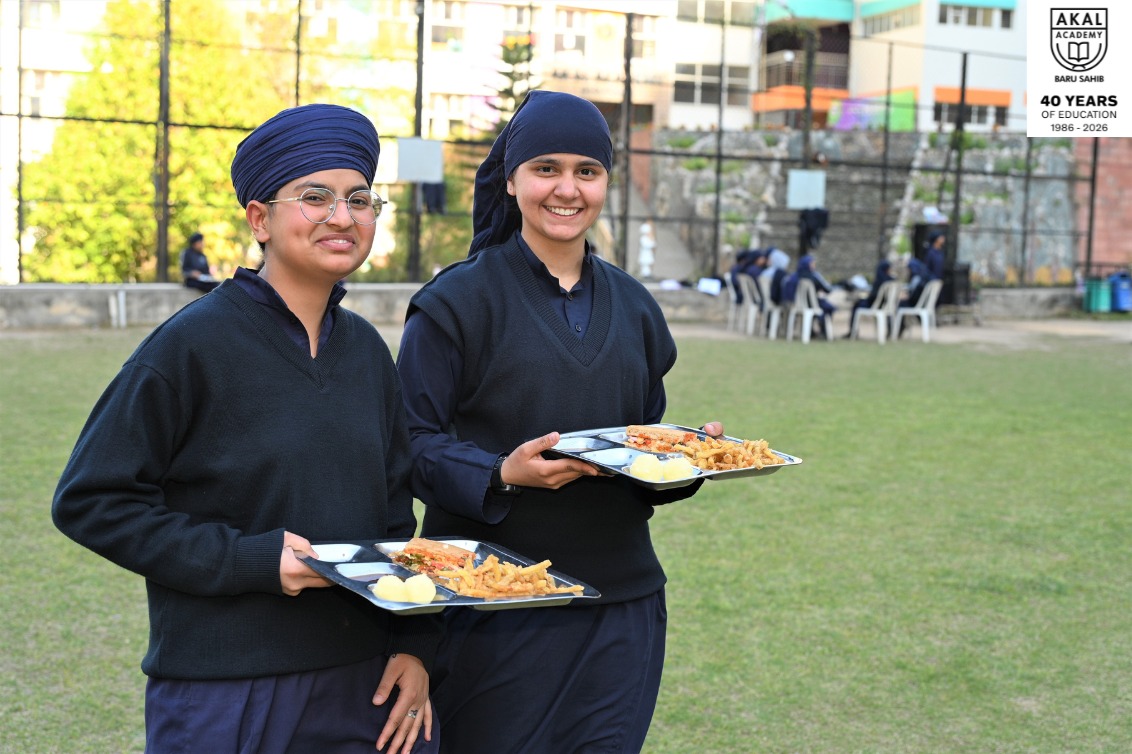
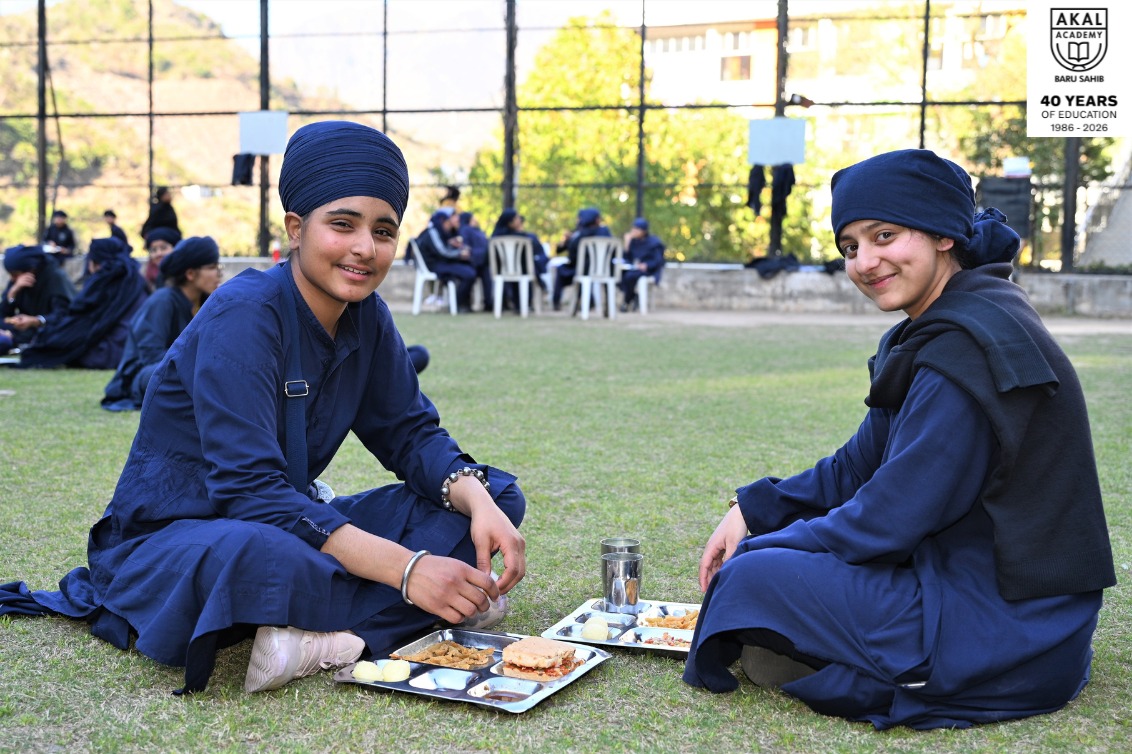
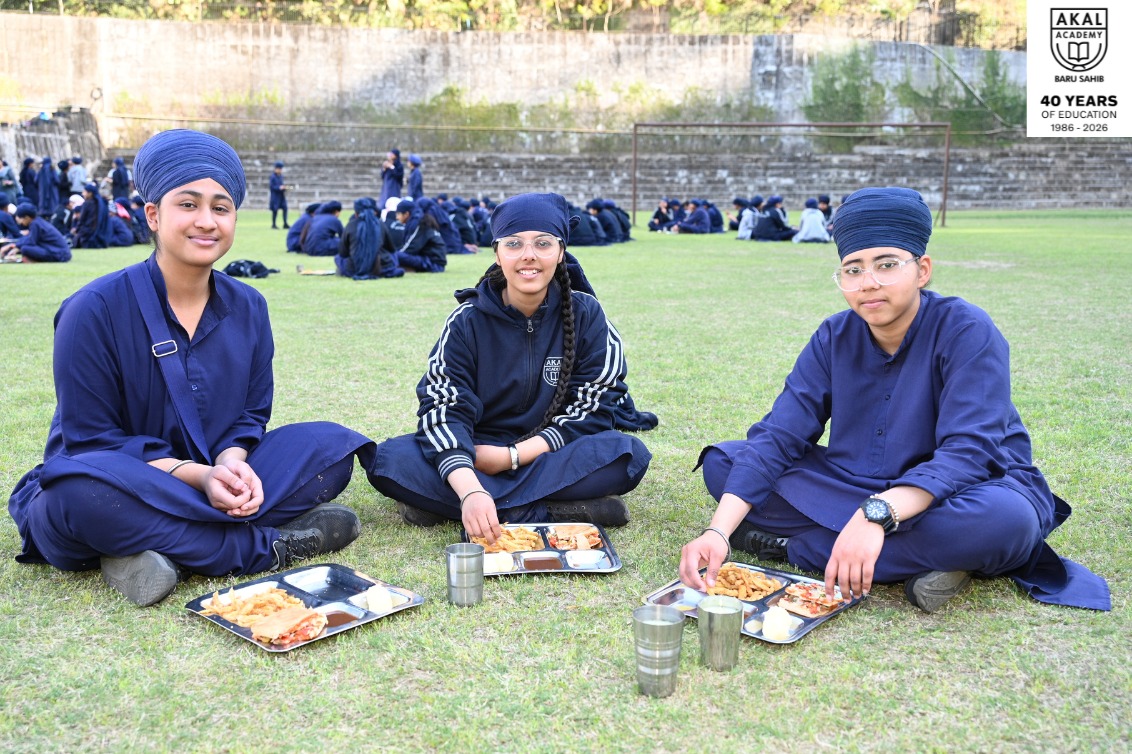
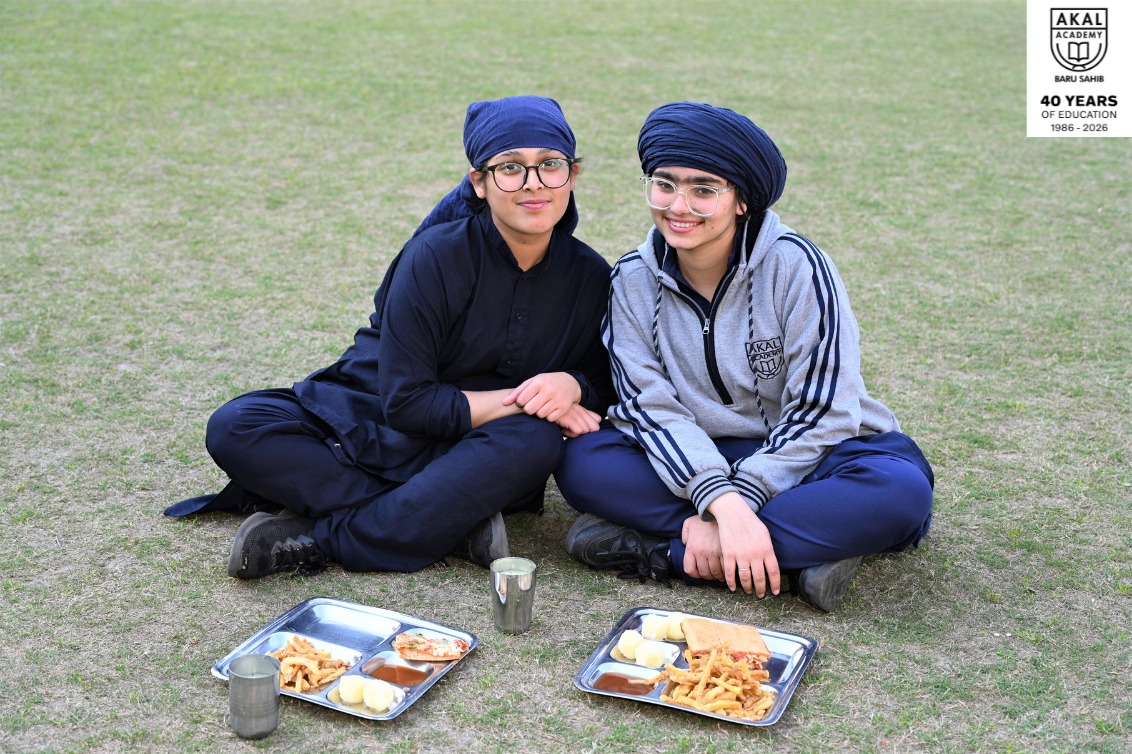
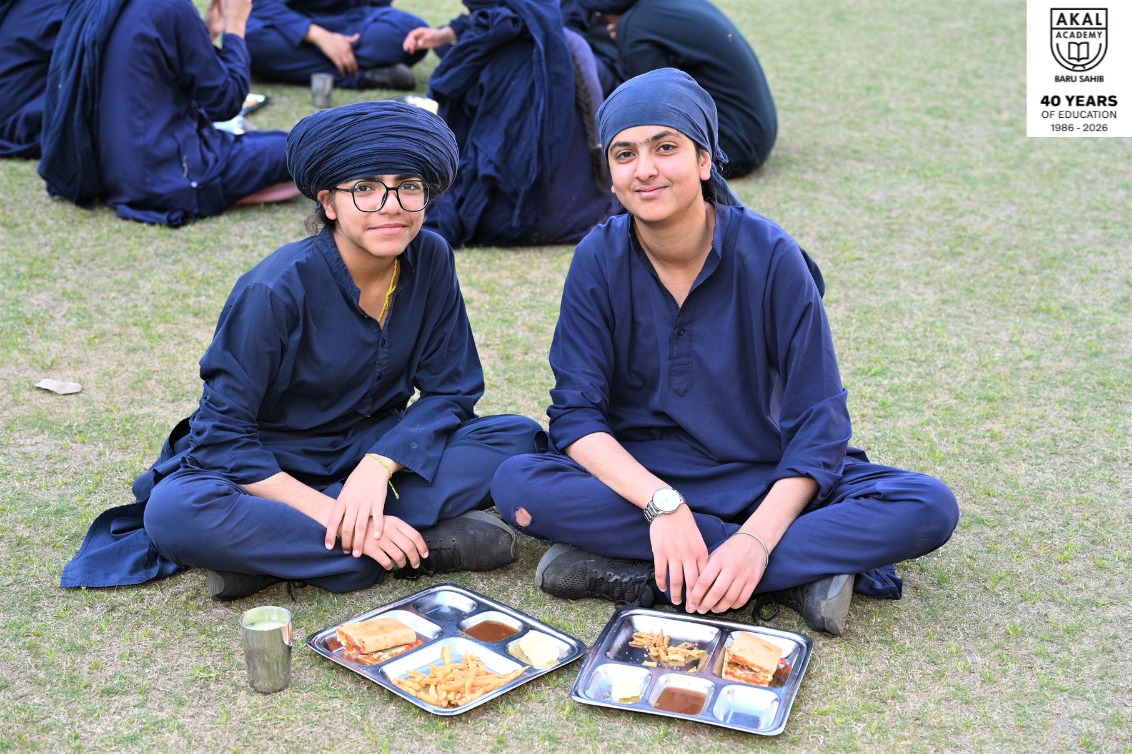
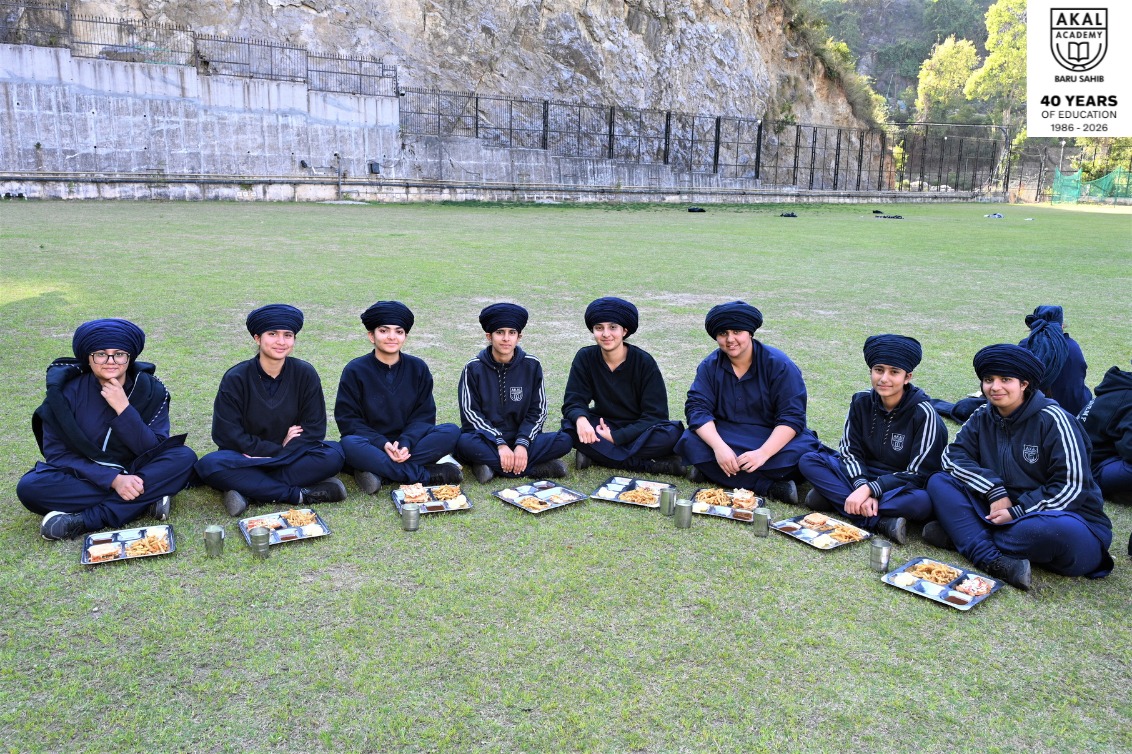
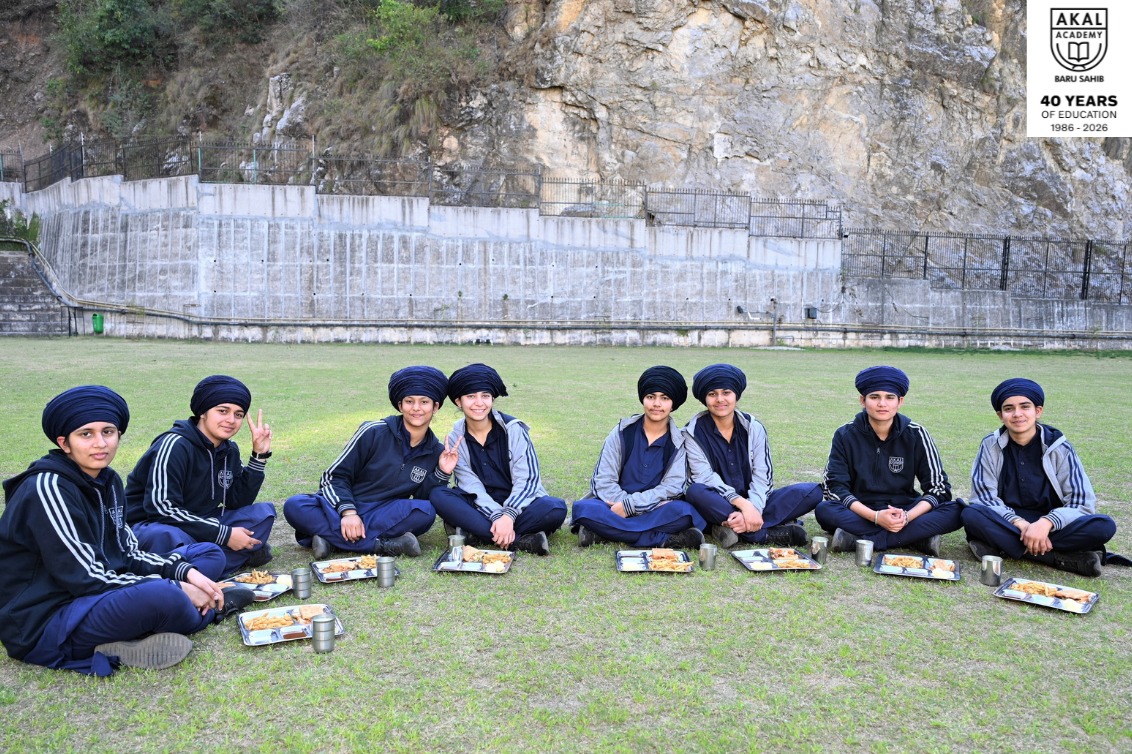
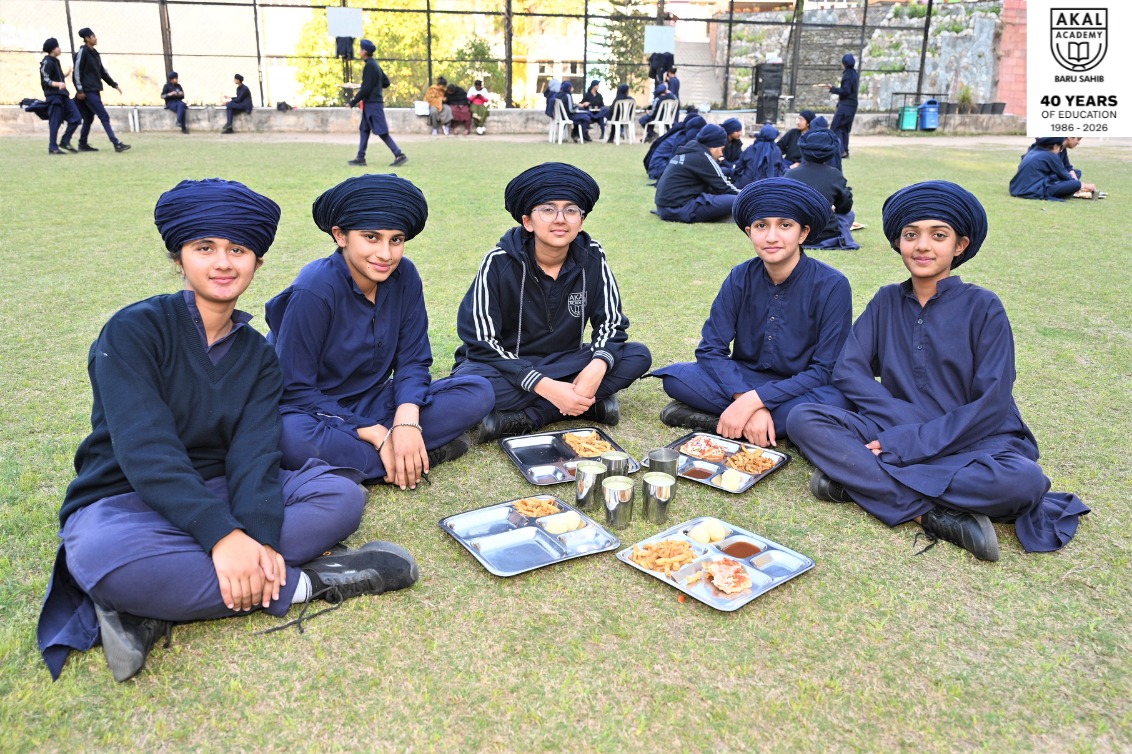
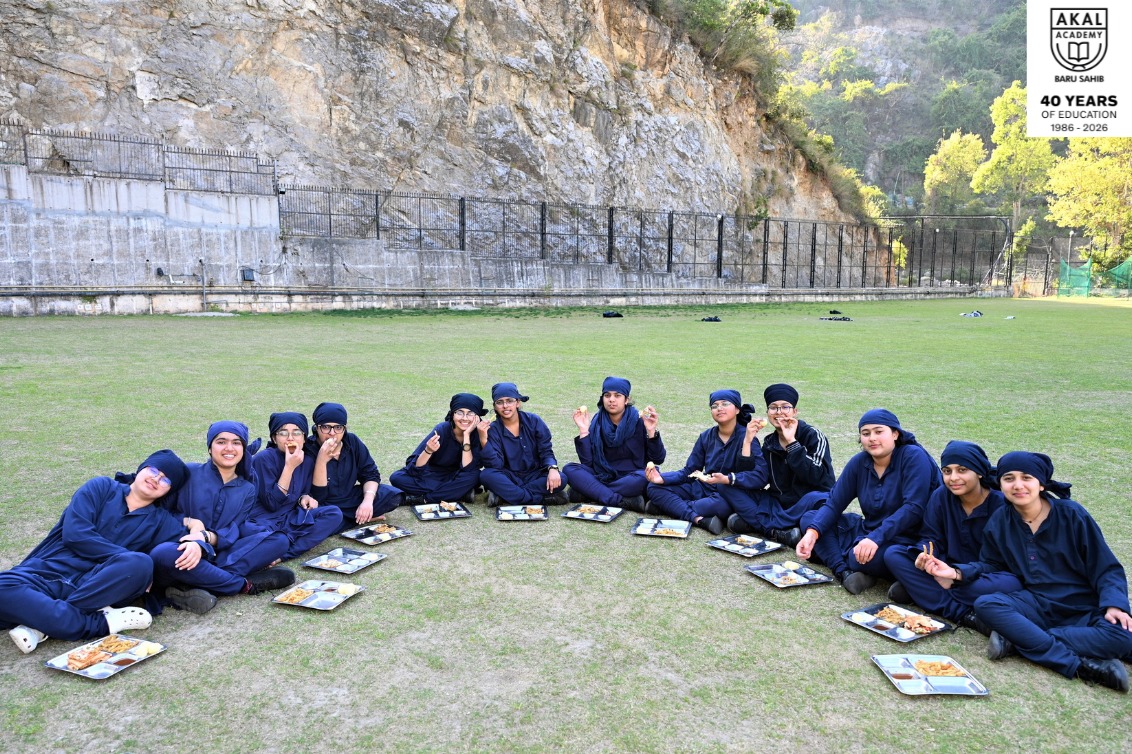
This year, students chose to celebrate Hola Mohalla uniquely. Instead of playing with colours, the day began with a special assembly expressing gratitude to the Almighty.
Students of IB PYP (Grades 1–5) initiated the assembly with Shabad Kirtan, followed by inspiring thoughts and pearls of wisdom based on the teachings of Guru Gobind Singh, along with poems and speeches explaining the historical origin and significance of the festival.
Following the special assembly, students from all grades gathered to partake in a special meal arranged for the occasion. Many students volunteered to serve meals to their fellow students, reflecting the values of humility, seva and care for others.
#HolaMohalla #holi #akalacademybarusahib #ValueBasedEducation #AkalAcademy #BabaIqbalSinghji
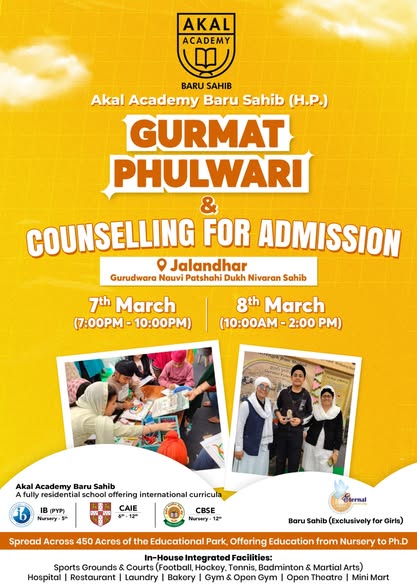
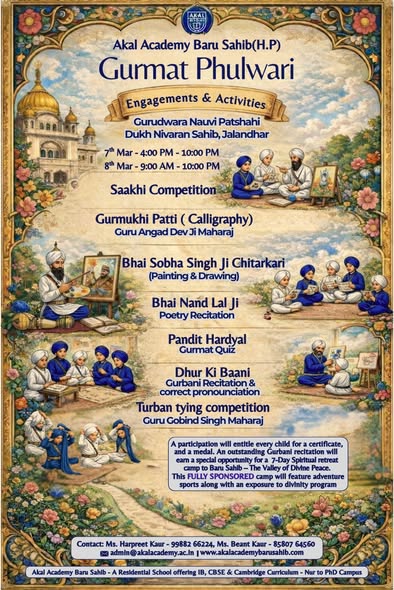
After receiving the blessings of the revered Sadh Sangat Ji in Jammu, Delhi, and Mumbai, Gurmat Phulwari will be arriving in Jalandhar on 7th (Saturday) and 8th (Sunday) March with a vision to spread awareness about Sikhi among families and children, helping them develop a deeper understanding of Sikh values, history and traditions through activities such as:
• Sakhi Competition
• Calligraphy
• Painting & Drawing
• Poetry Recitation
• Gurmat Quiz
• Gurbani Recitation (with correct pronunciation)
• Turban Tying Competition
Along with Gurmat Phulwari, admission counselling will also be conducted for Akal Academy Baru Sahib (offering IB, Cambridge & CBSE curricula) and Eternal University (a girls-only university).
We invite all the Sadh Sangat ji of Jalandhar and nearby areas to kindly attend and bless the event with your gracious presence.
Schedule:
7th March (Saturday): 4:00 PM – 10:00 PM
8th March (Sunday): 9:00 AM – 10:00 PM
Venue – Gurudwara Nauvi Patshahi Sahib, Dukh Nivaran Sahib, Jalandhar
For more details, kindly contact:
Ms. Harpreet Kaur – 9988266224
Ms. Beant Kaur – 8580764560
#jalandhar #amritsar #Kapurthala #phagwada #hoshiyarpur #ludhiana #akalacademybarusahib #kalgidhartrust
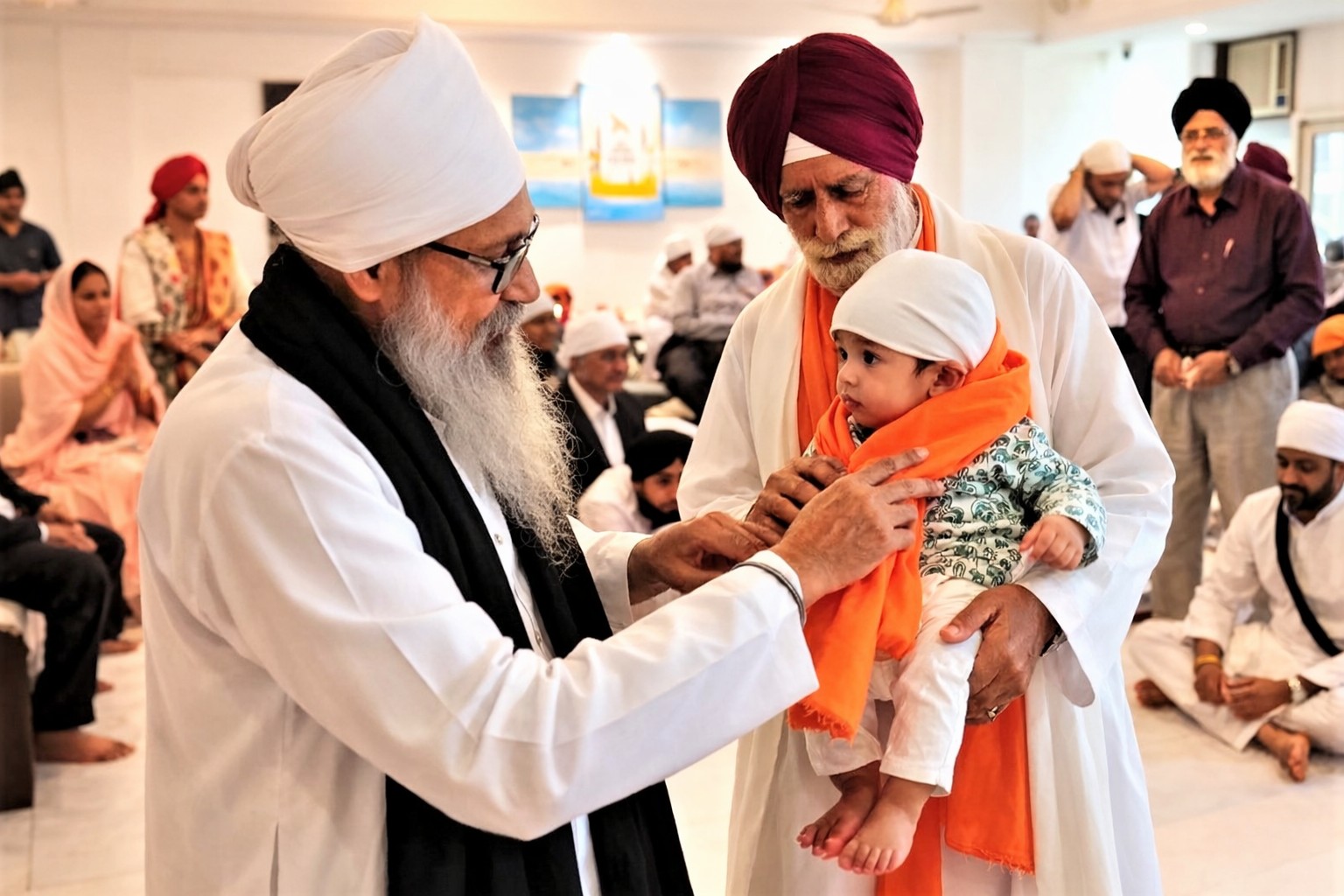
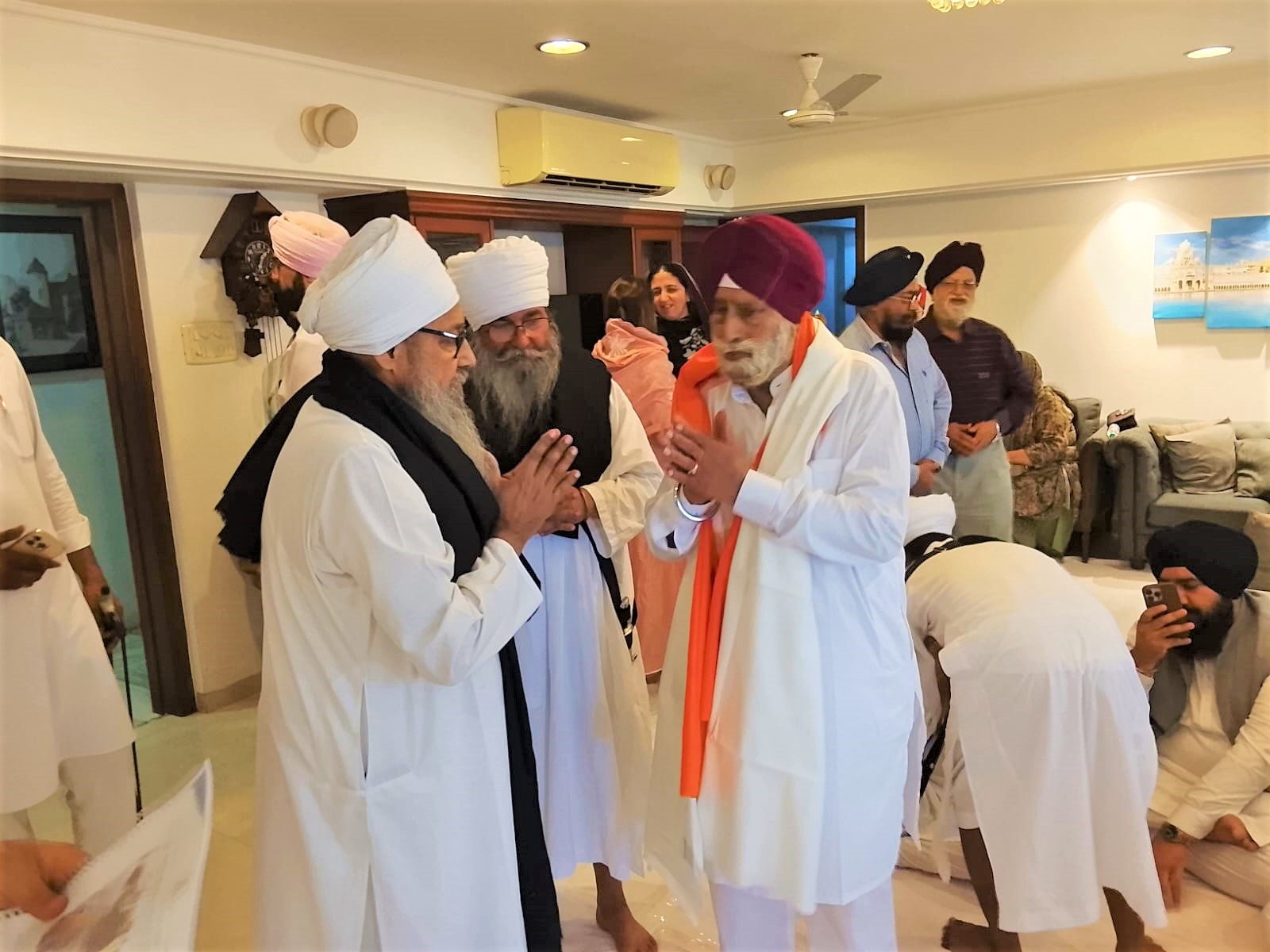
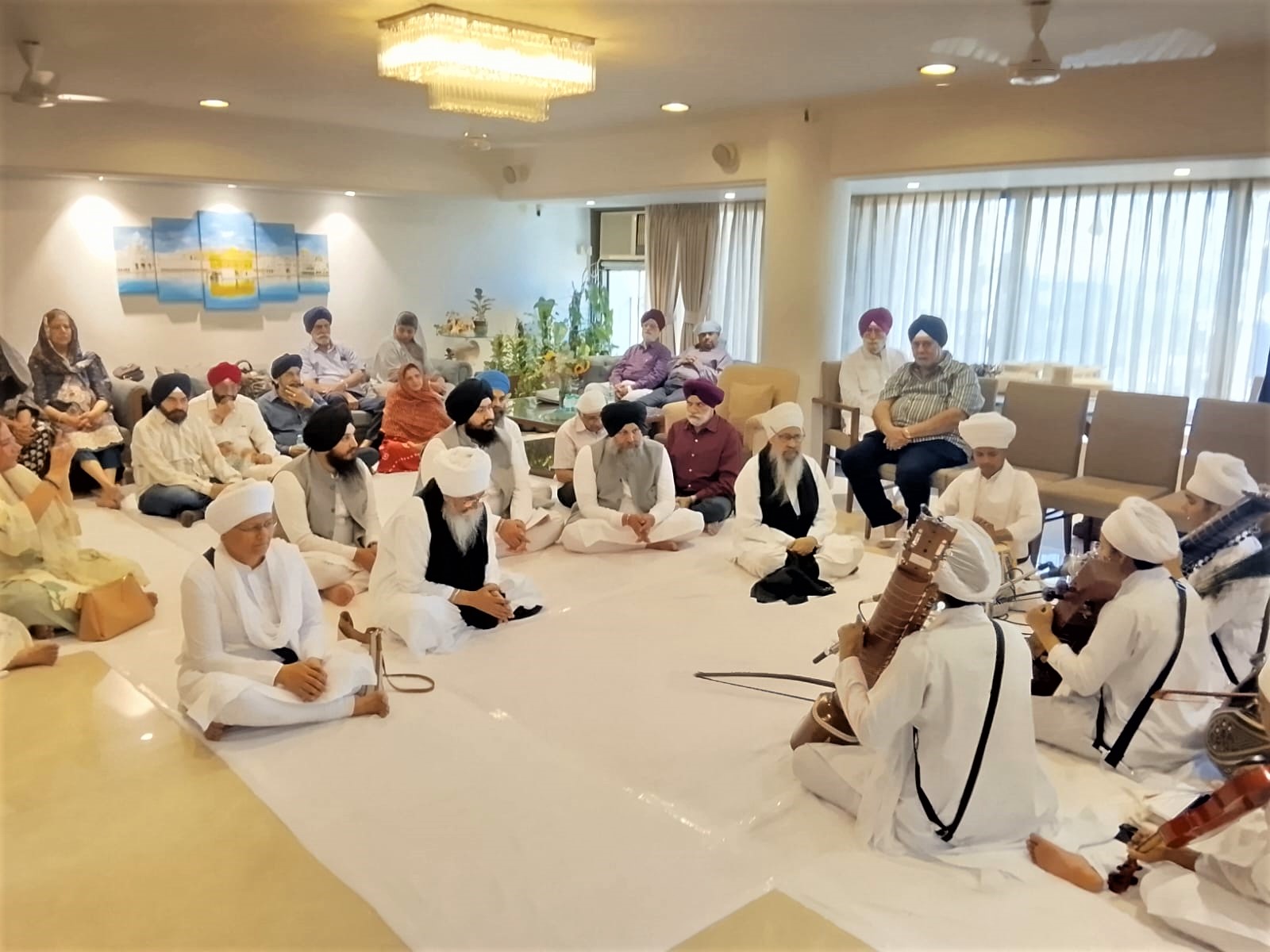
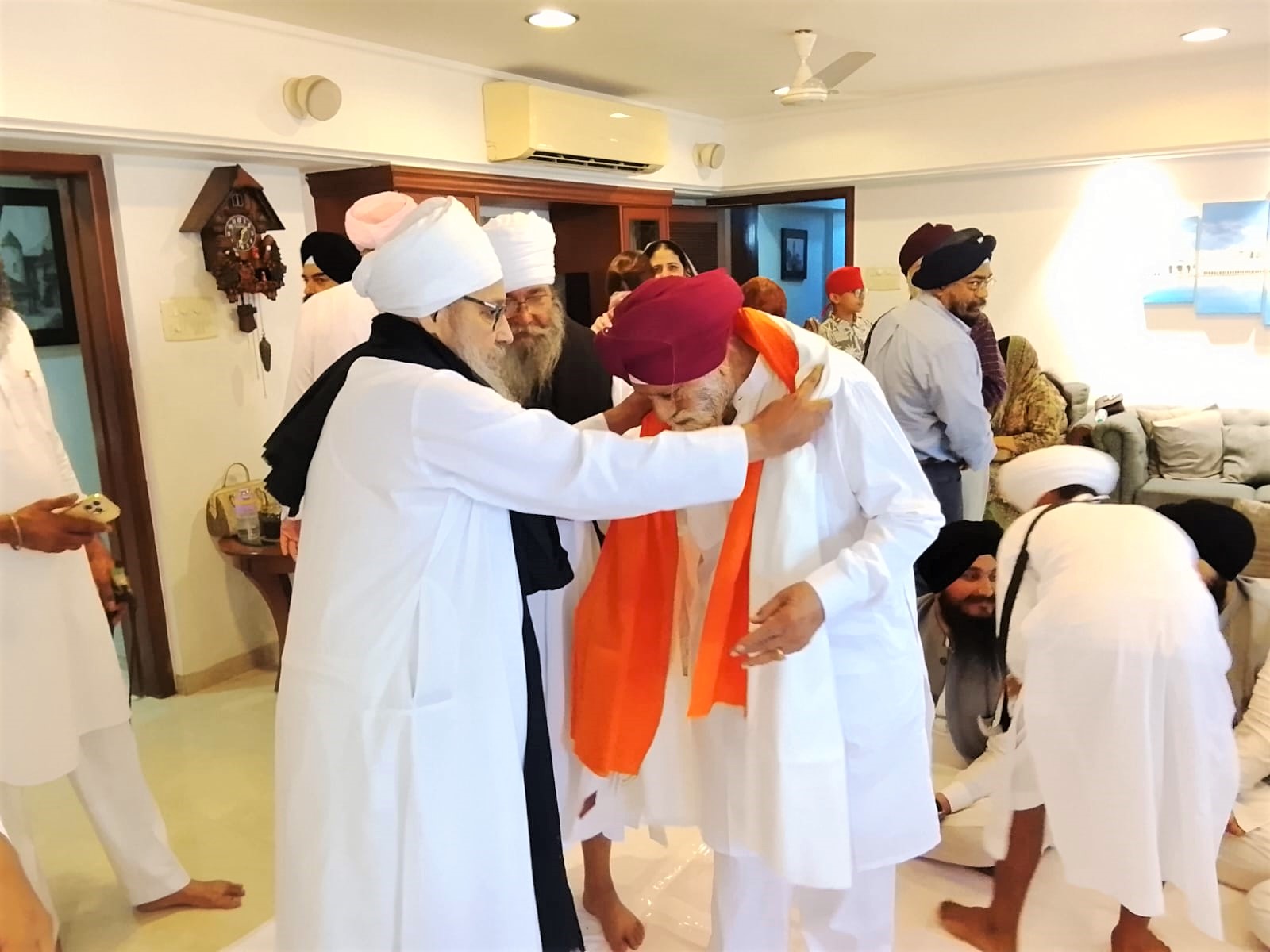
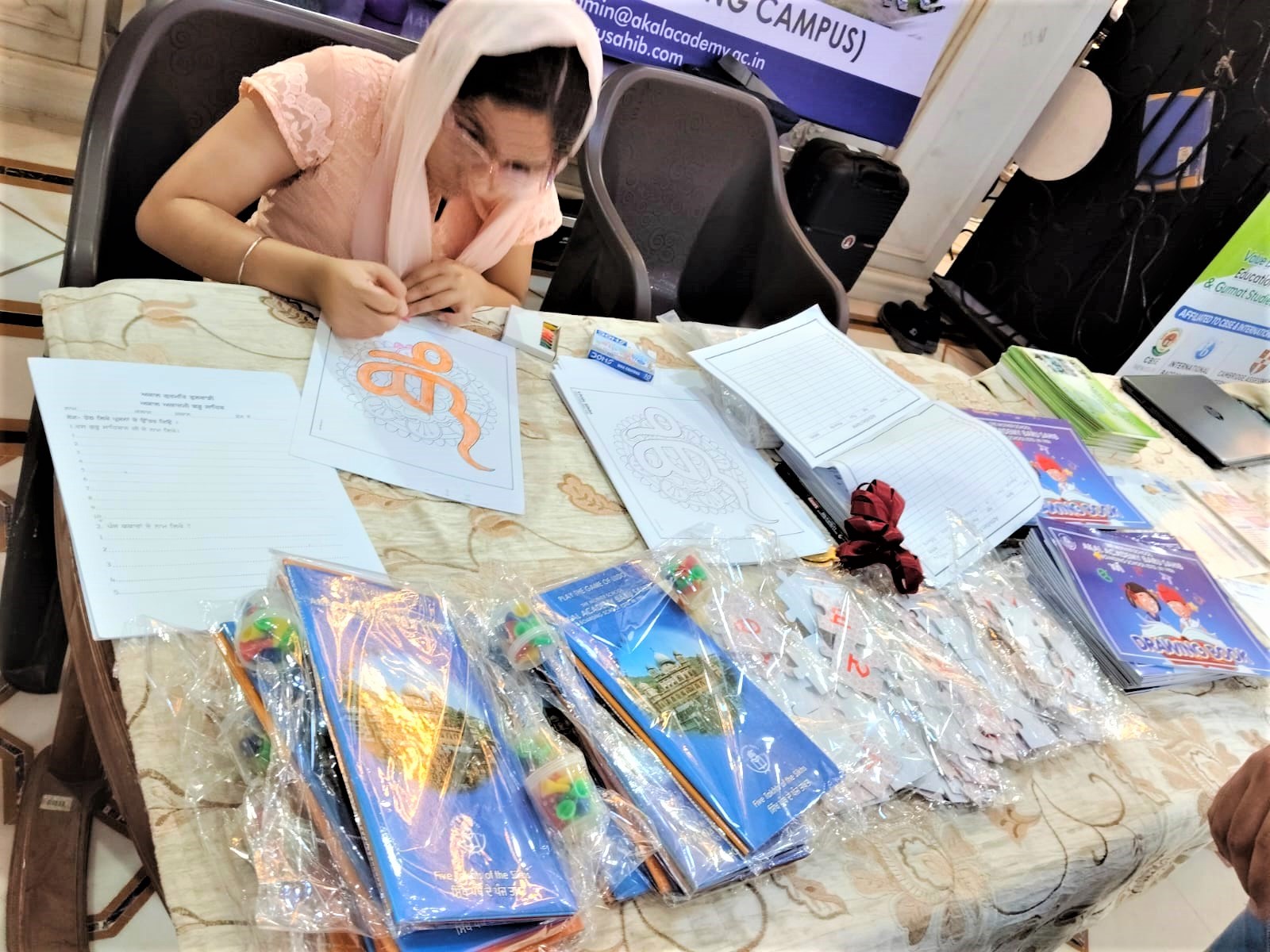
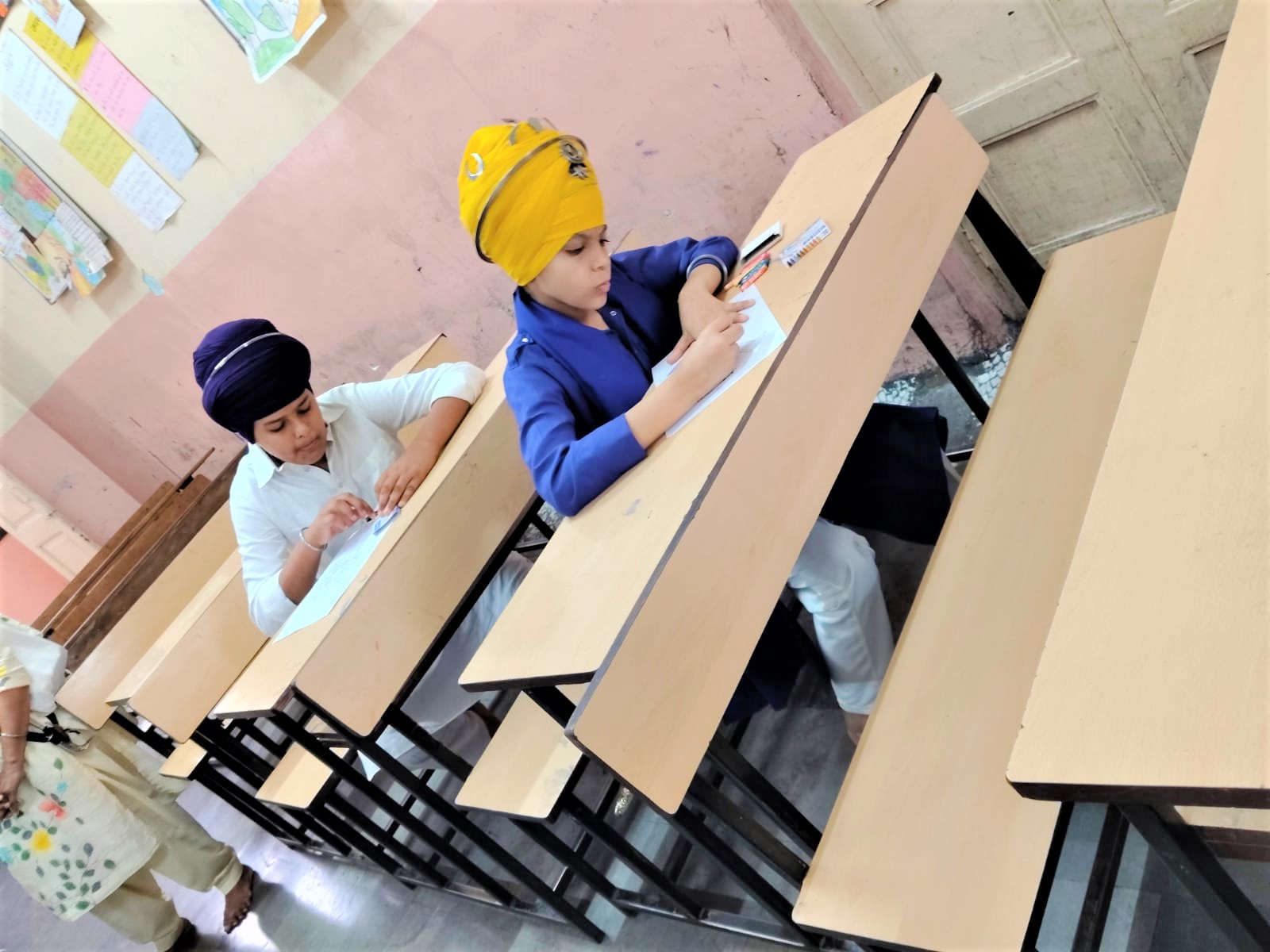
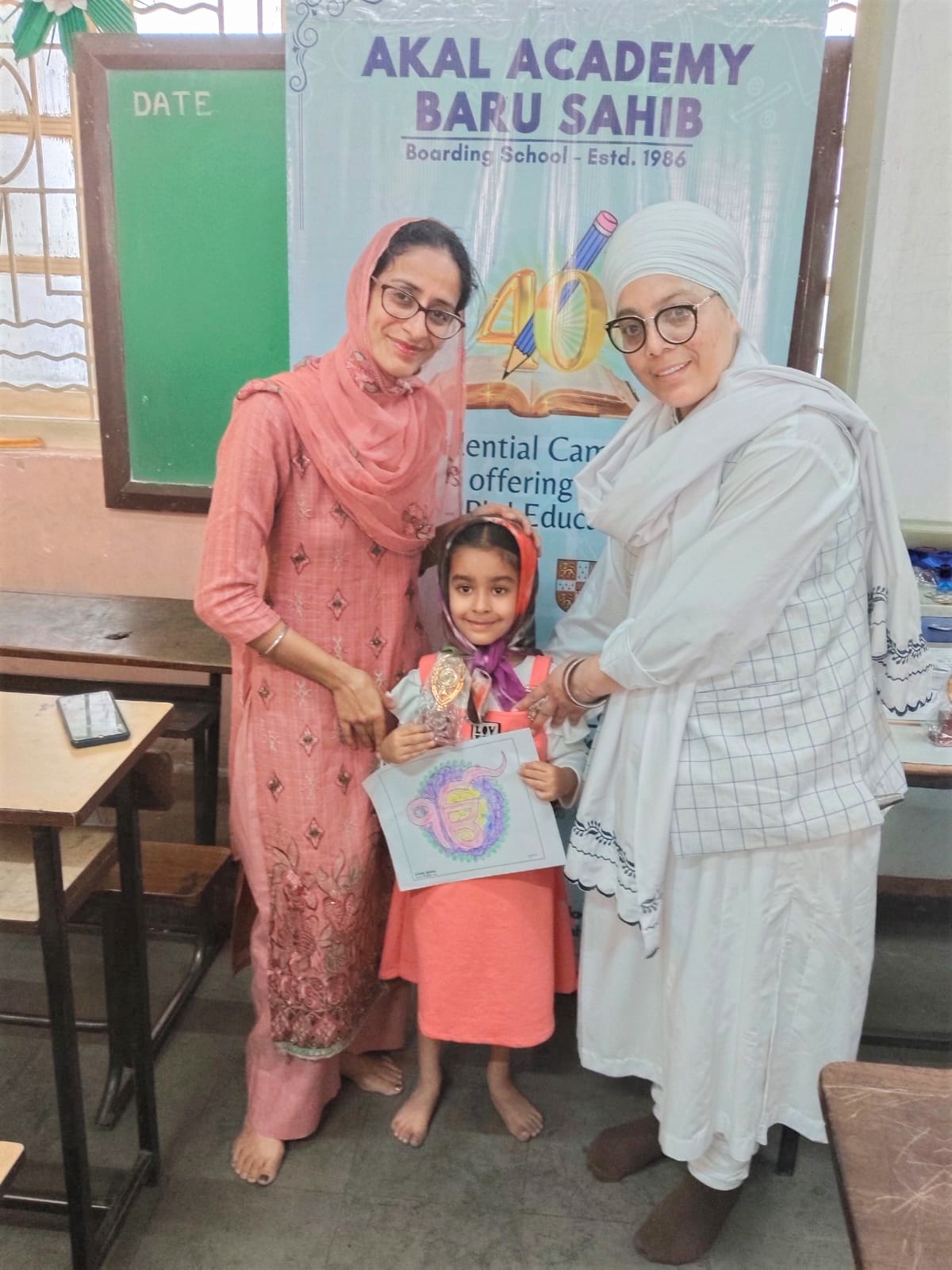
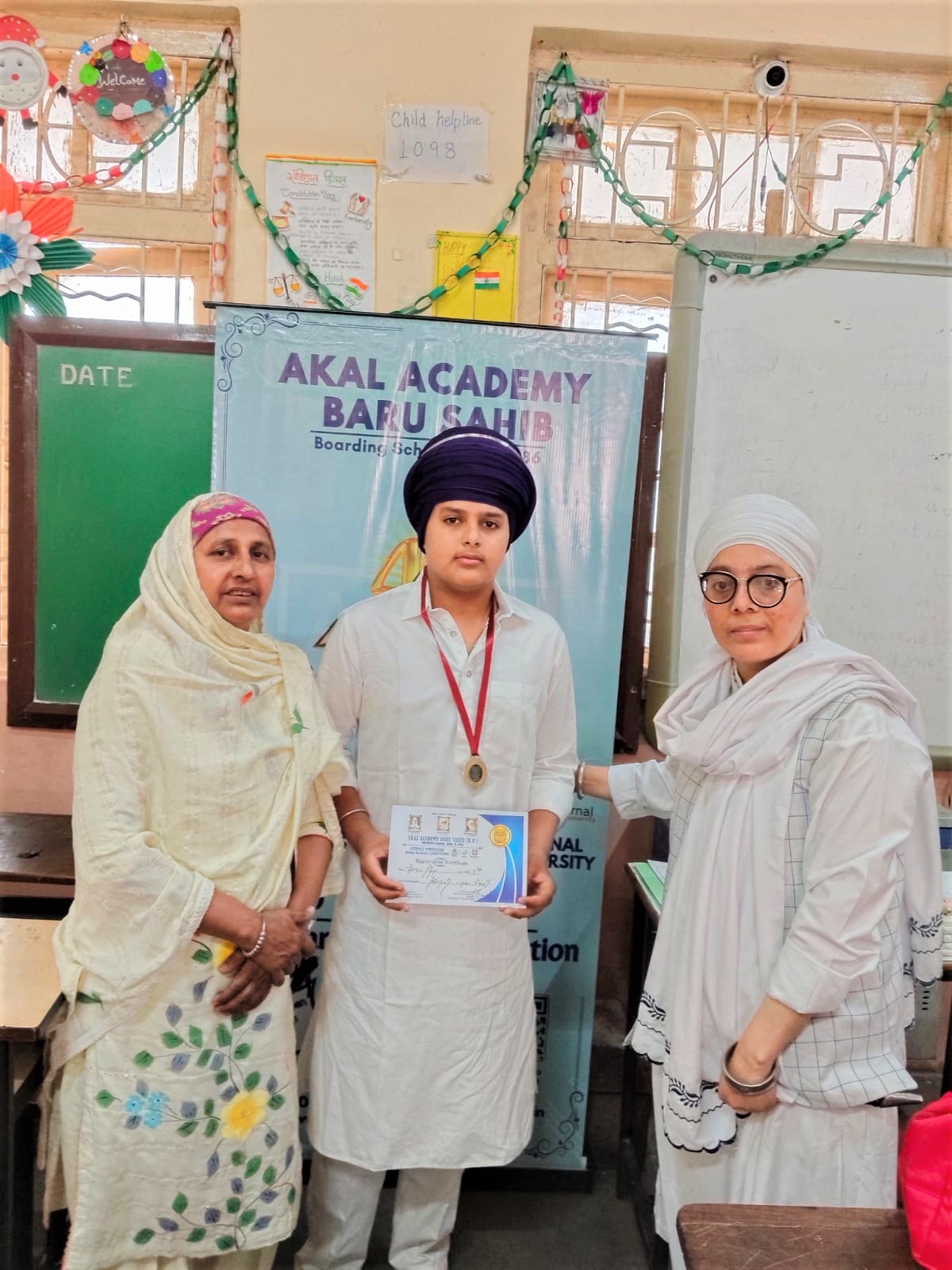
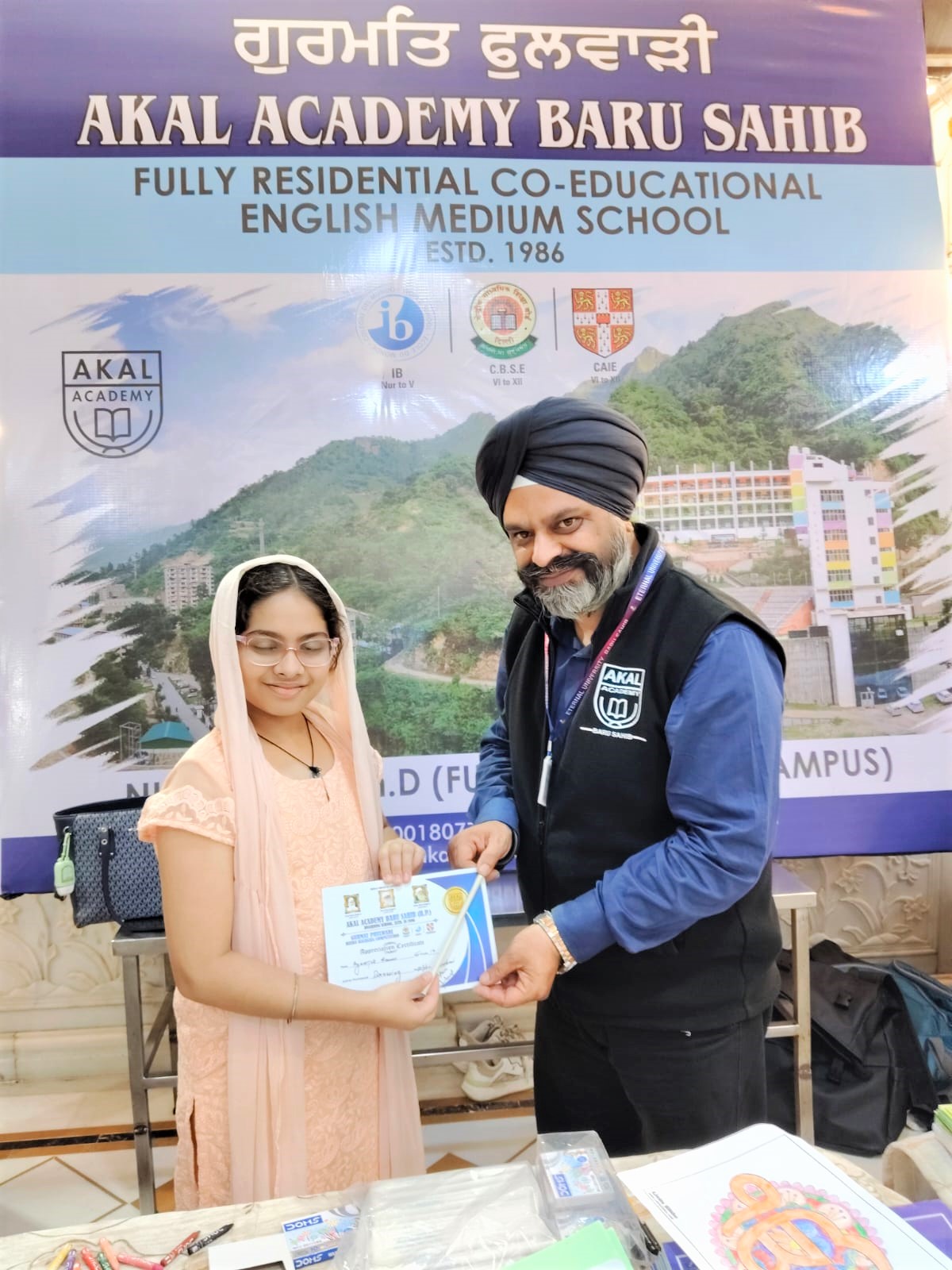
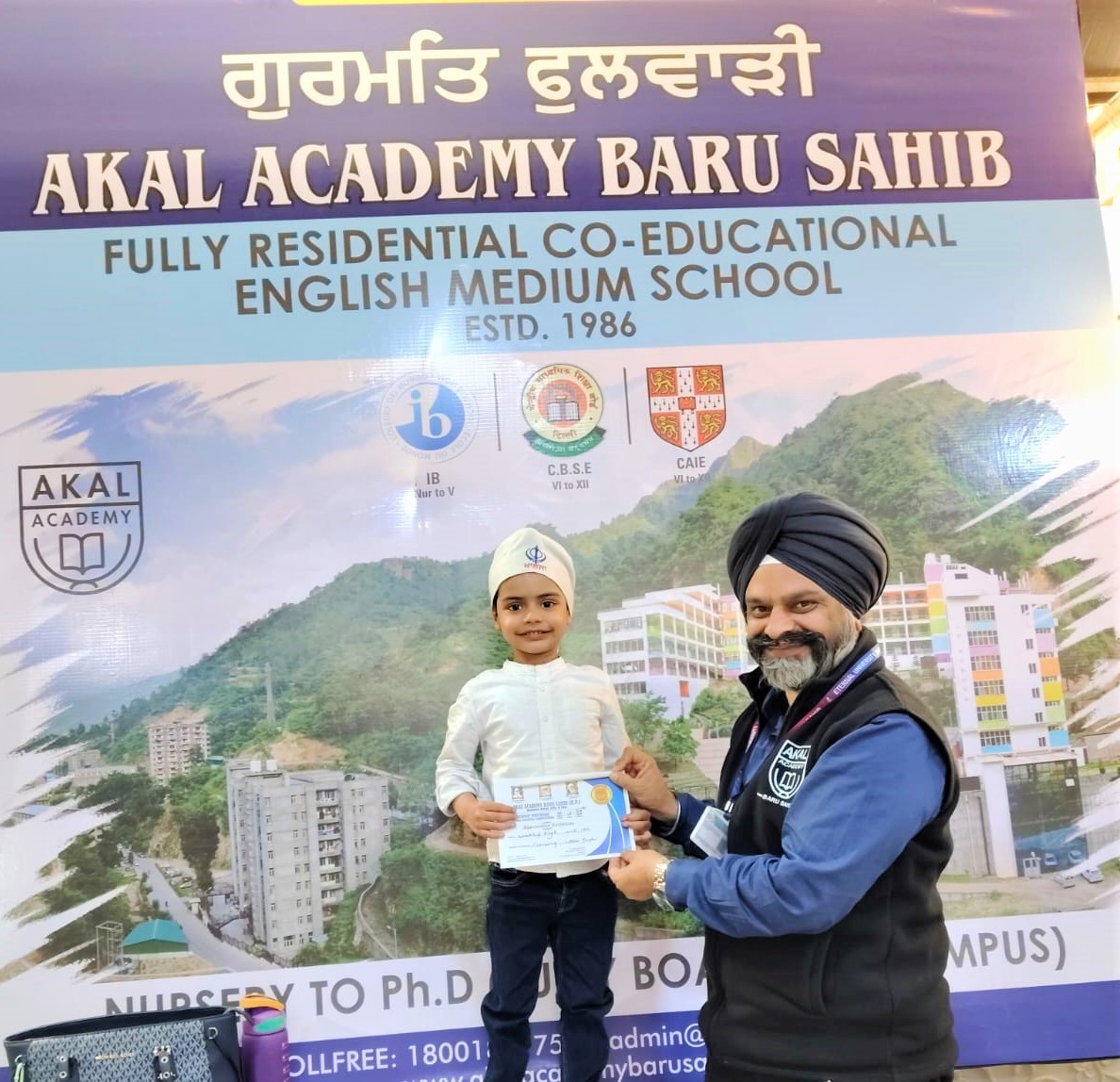
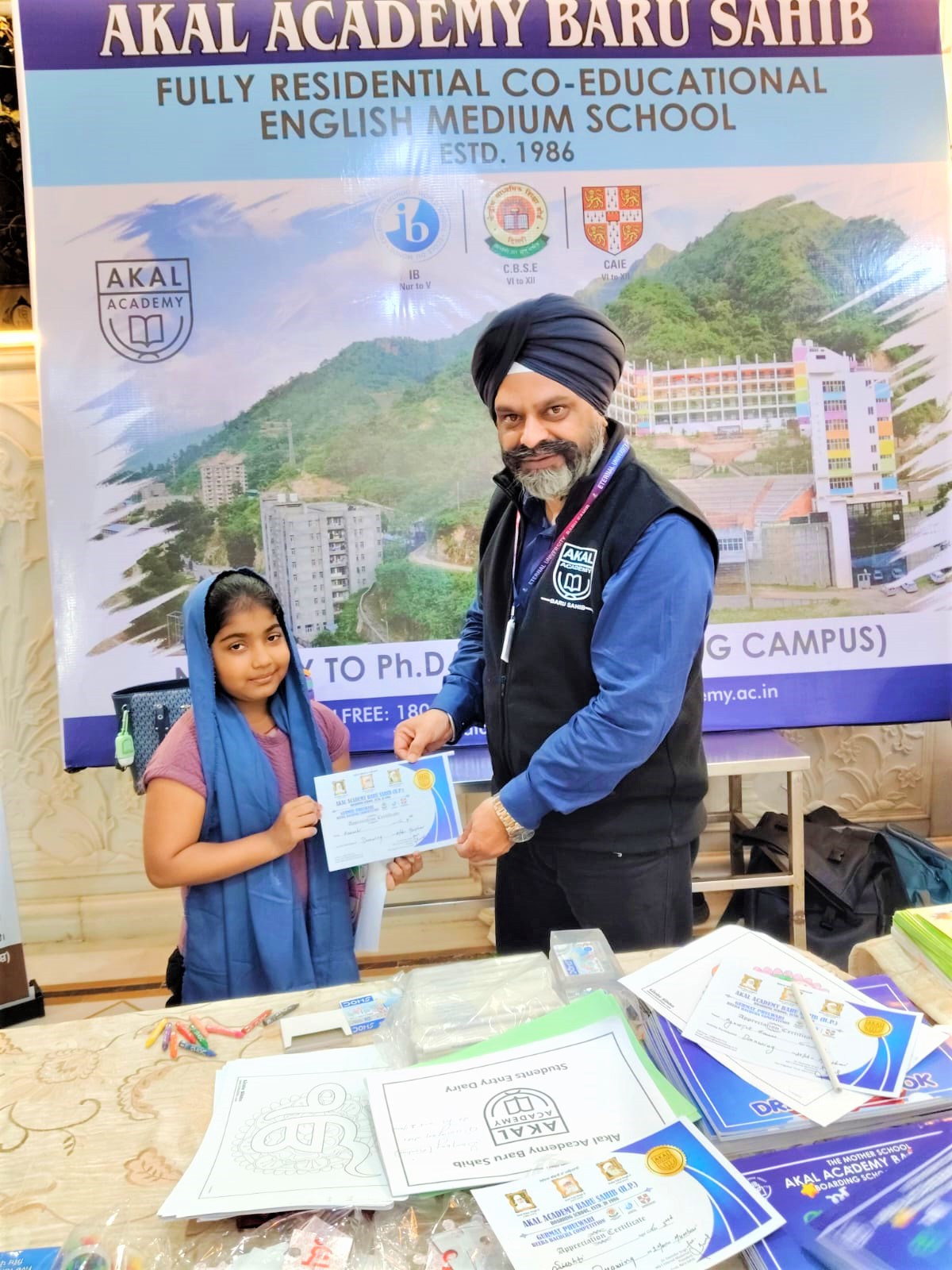
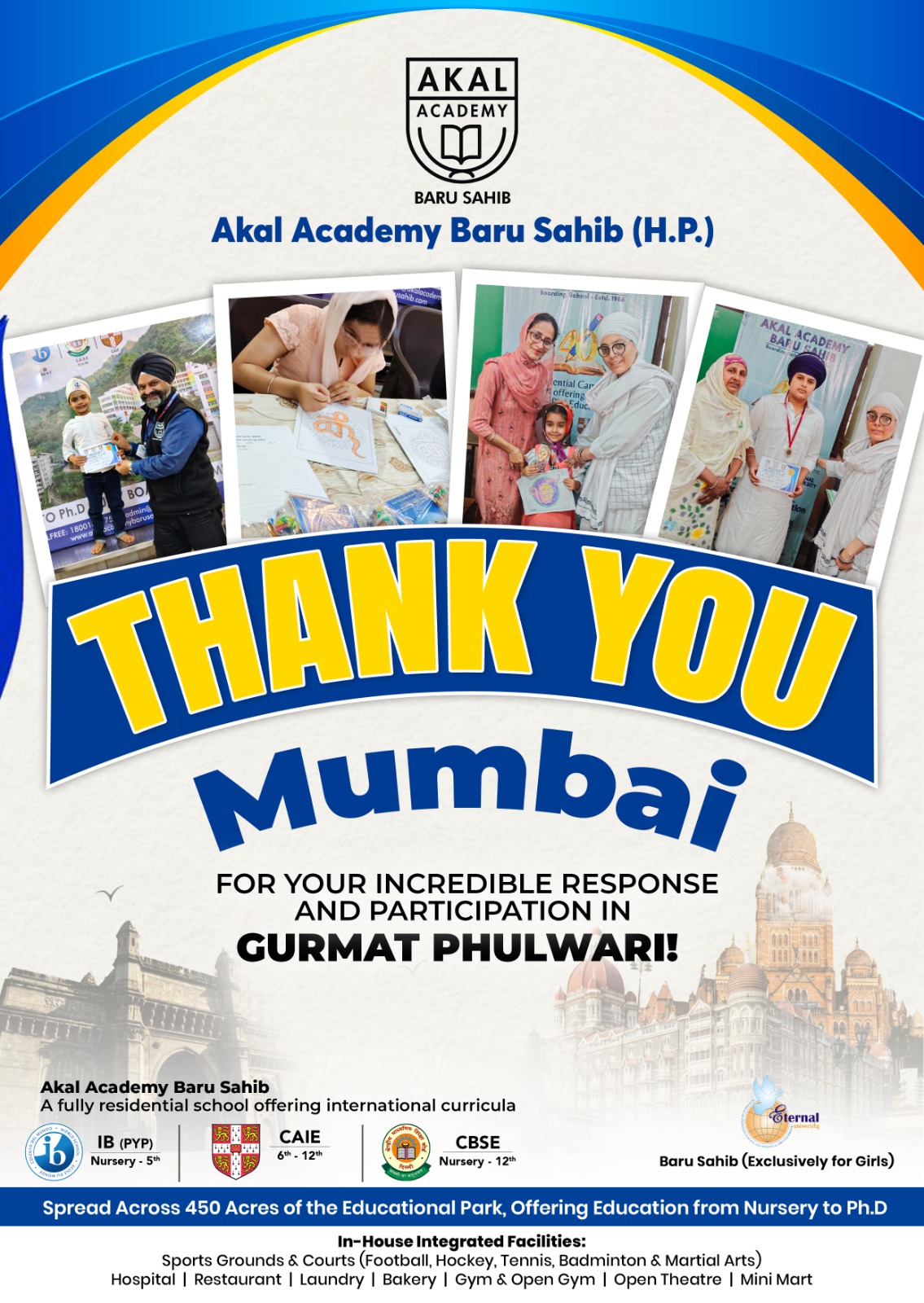
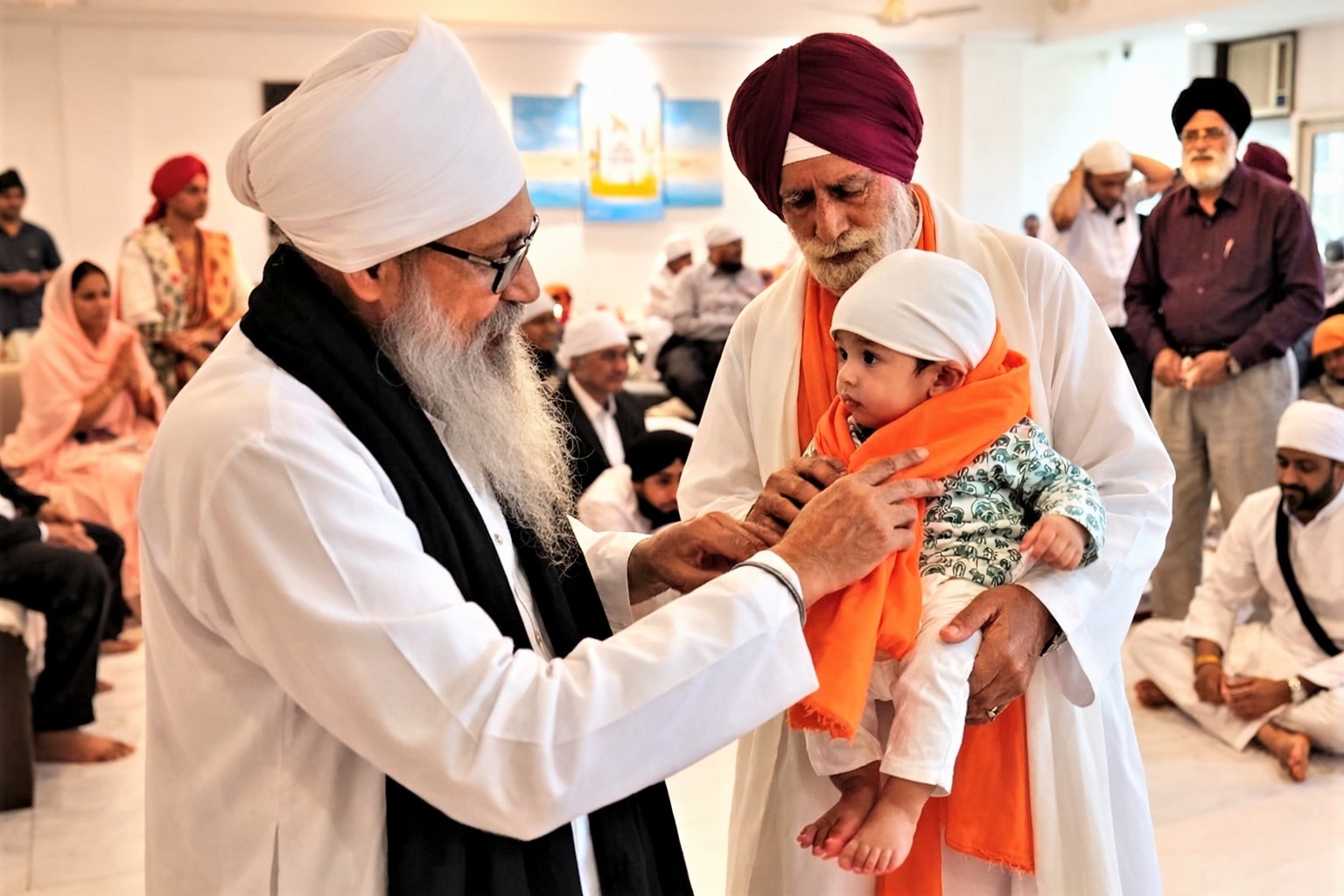
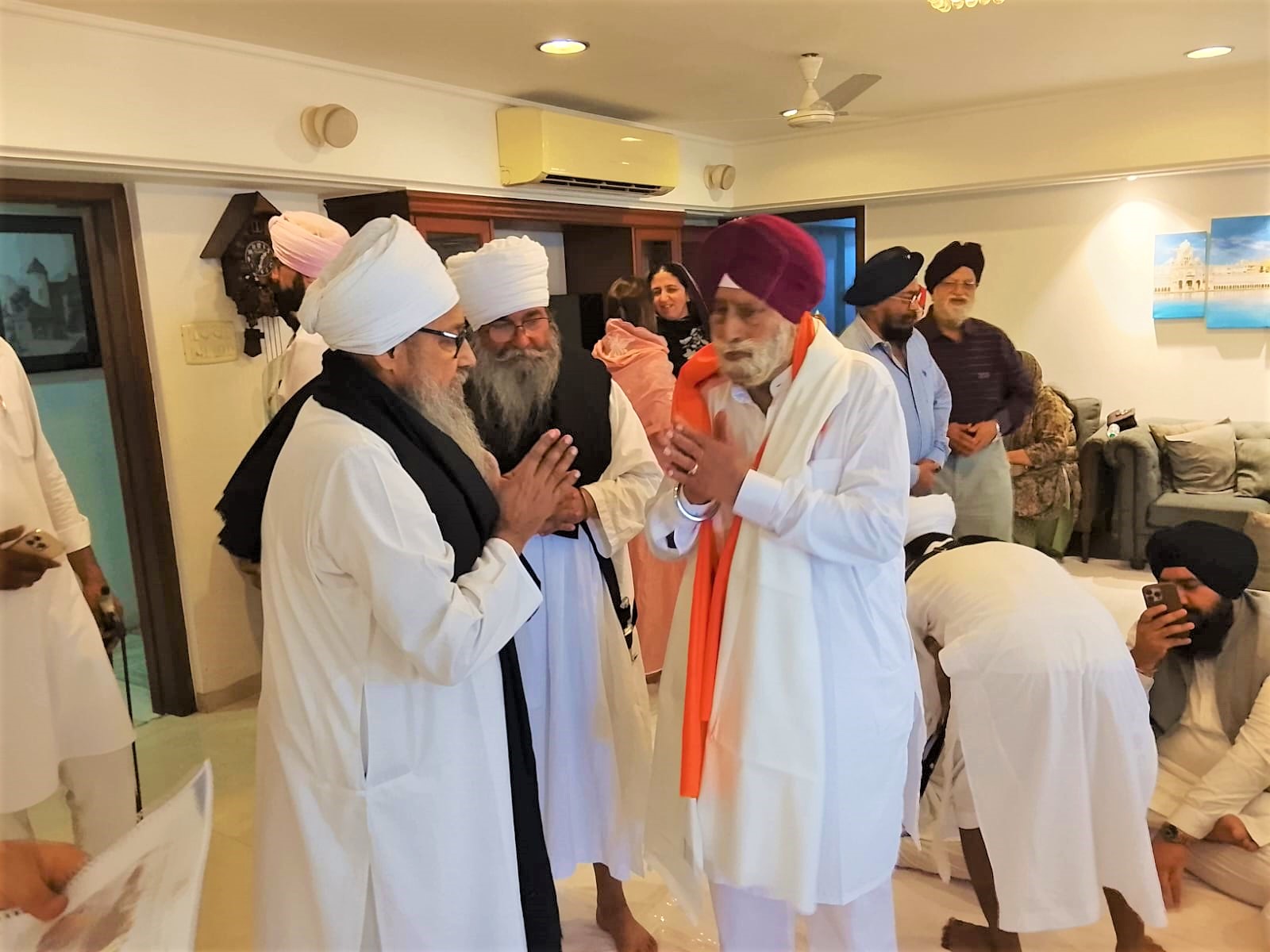
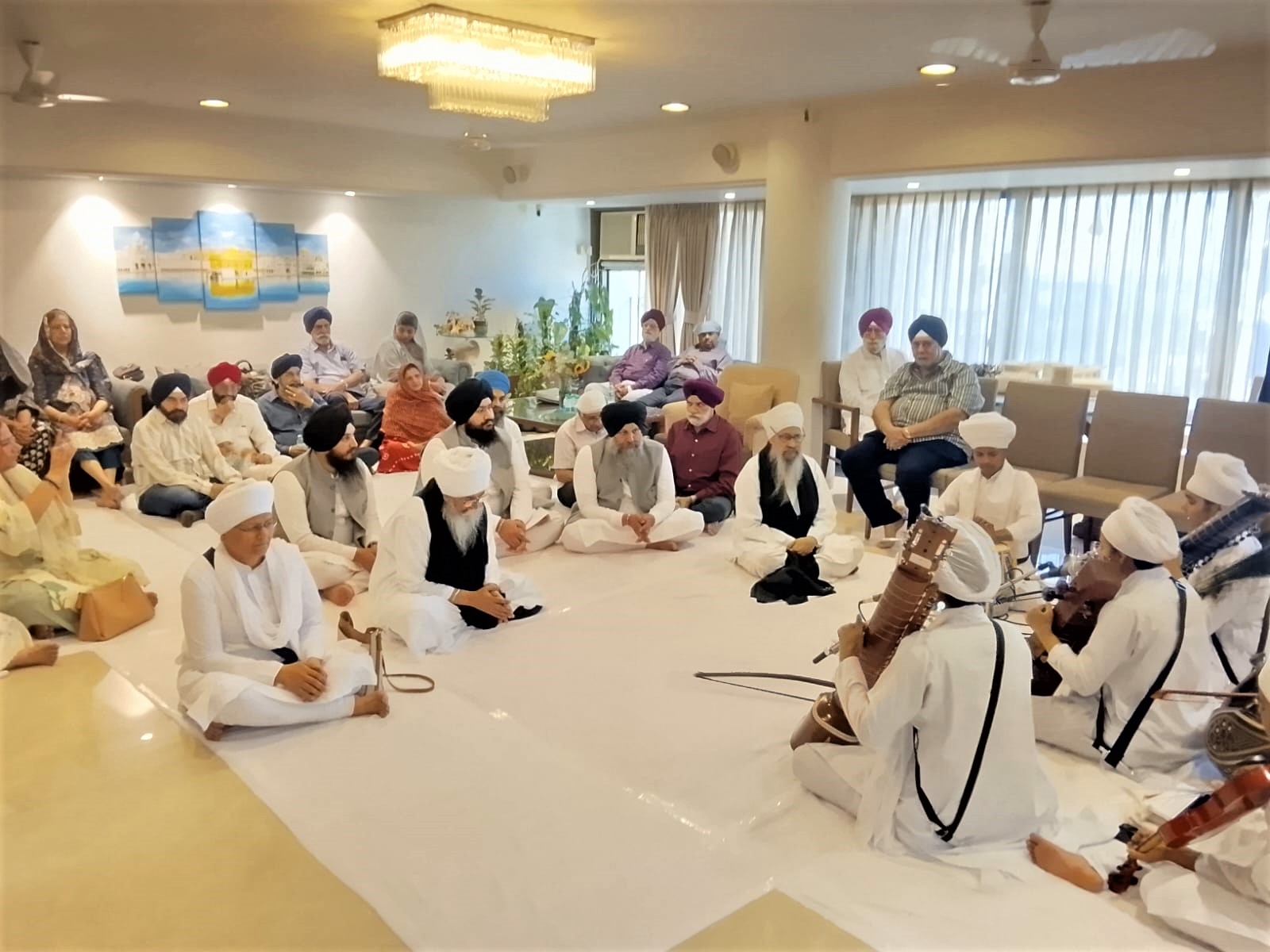
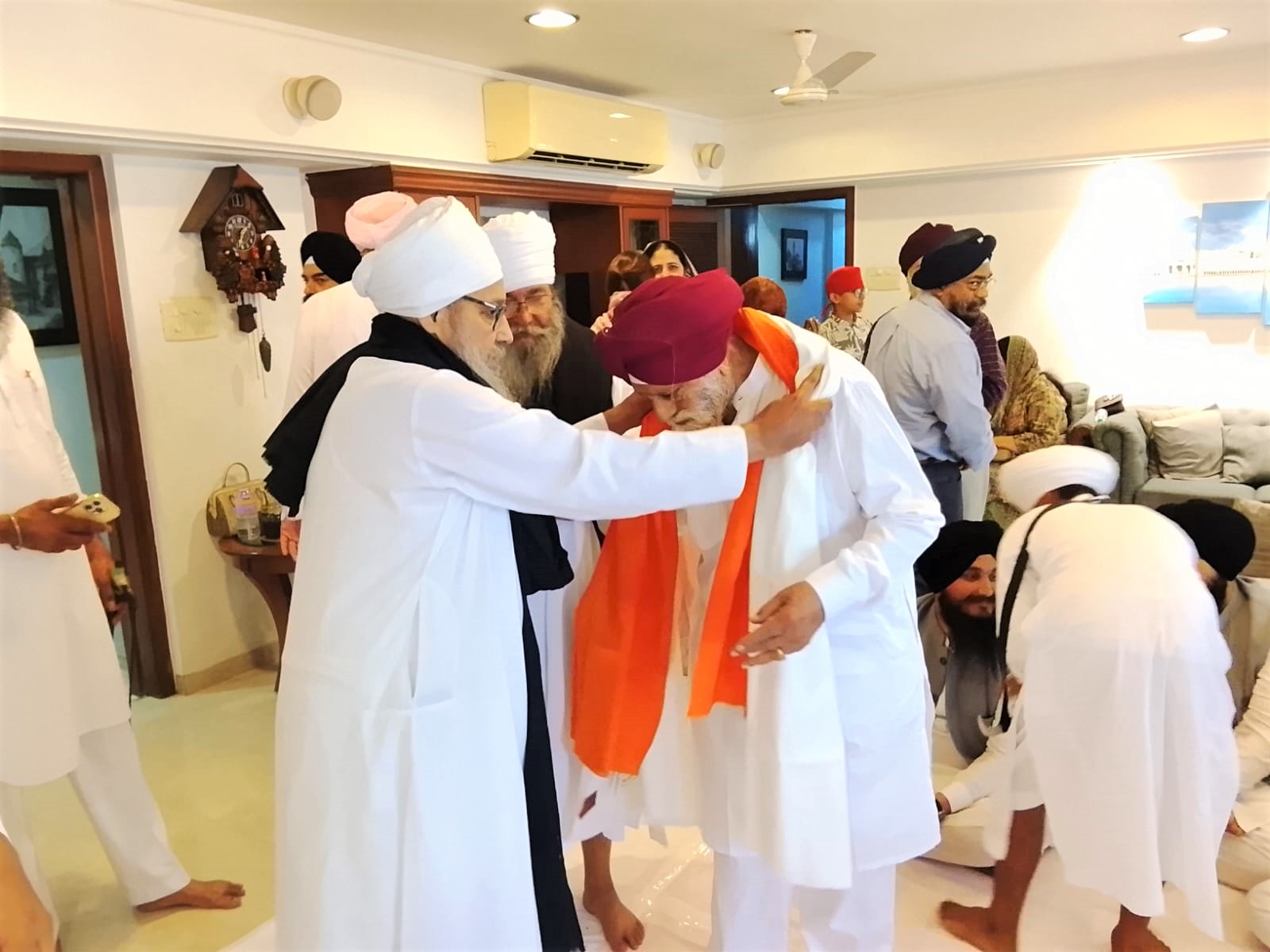
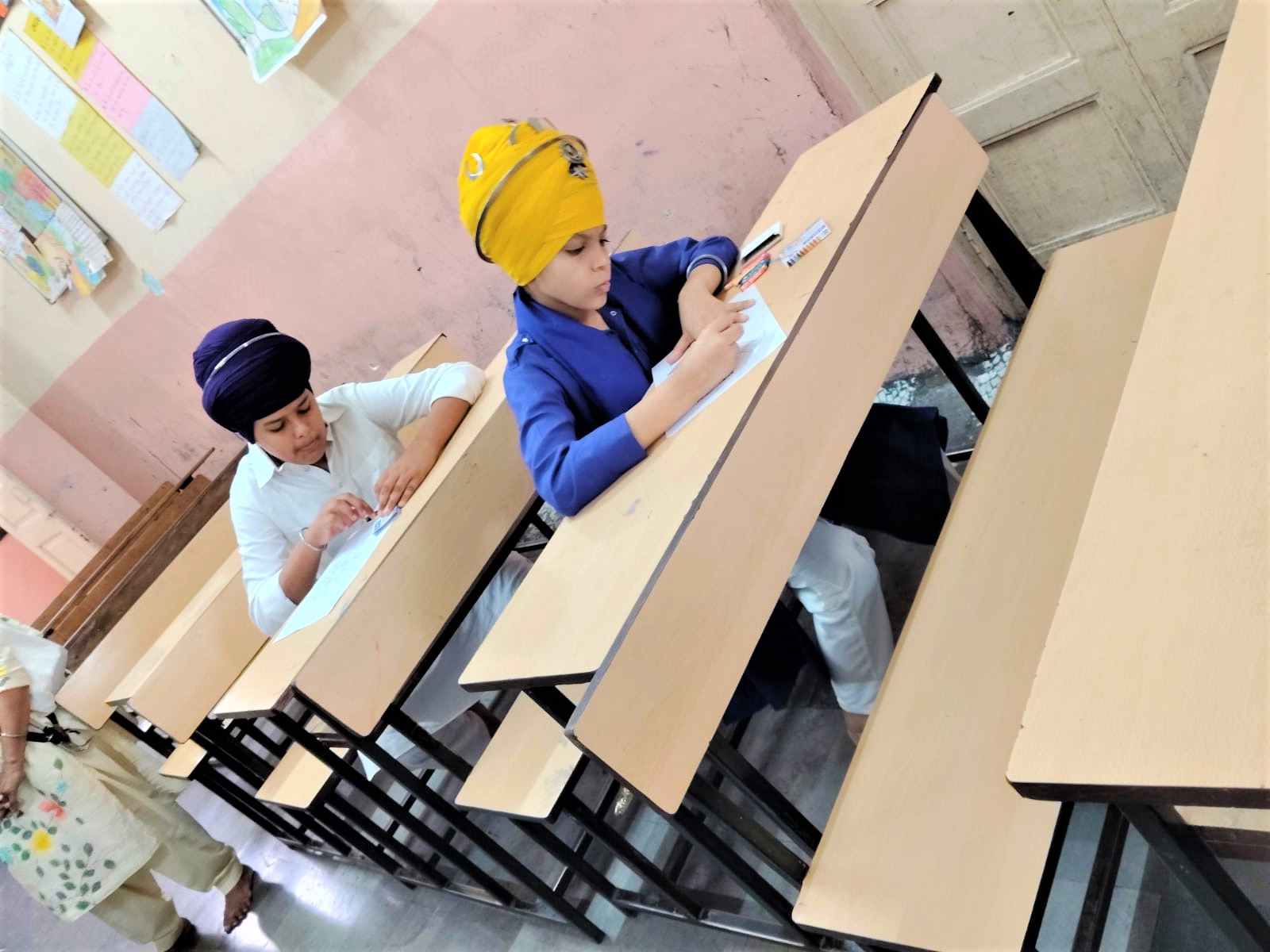
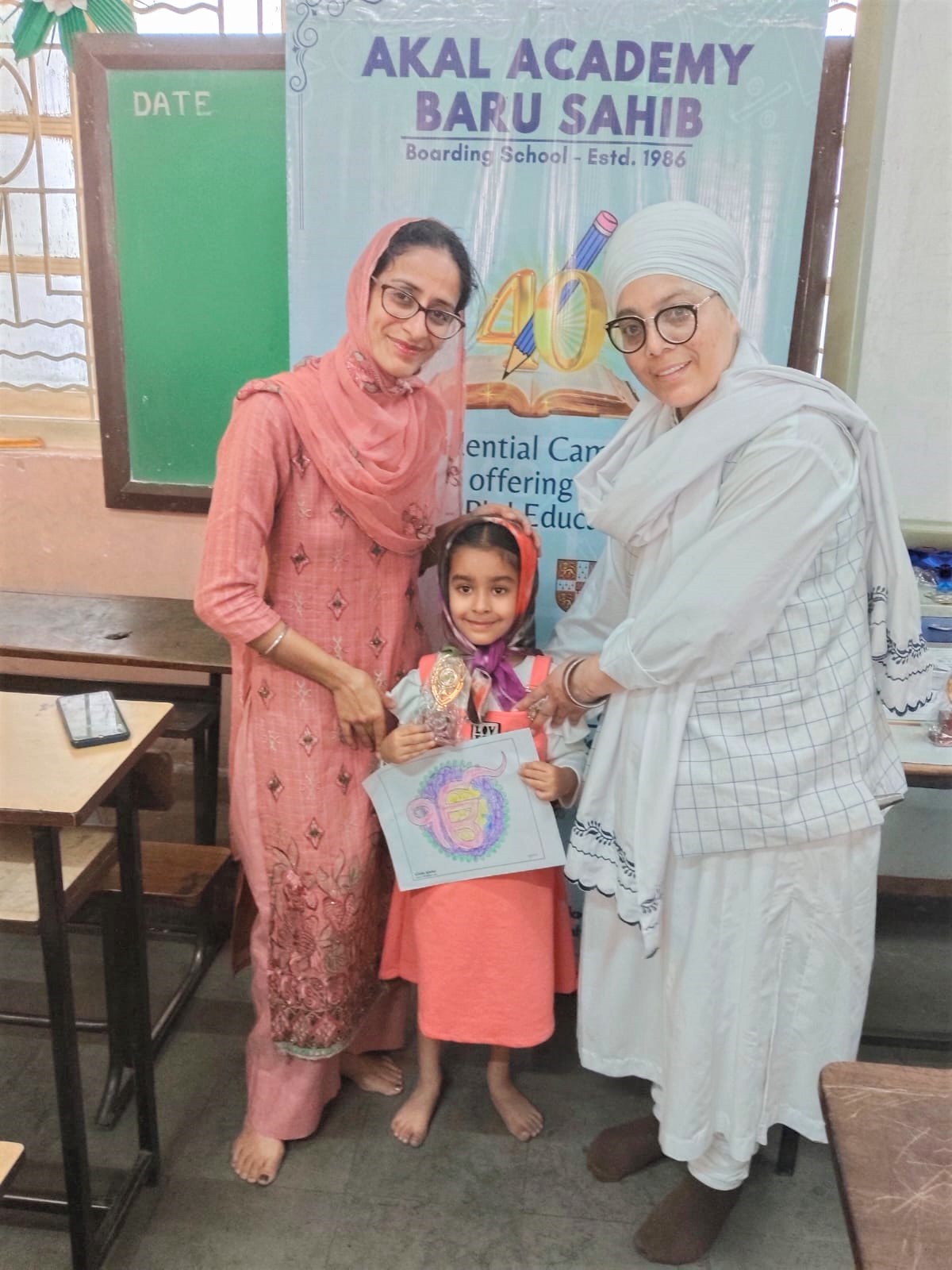
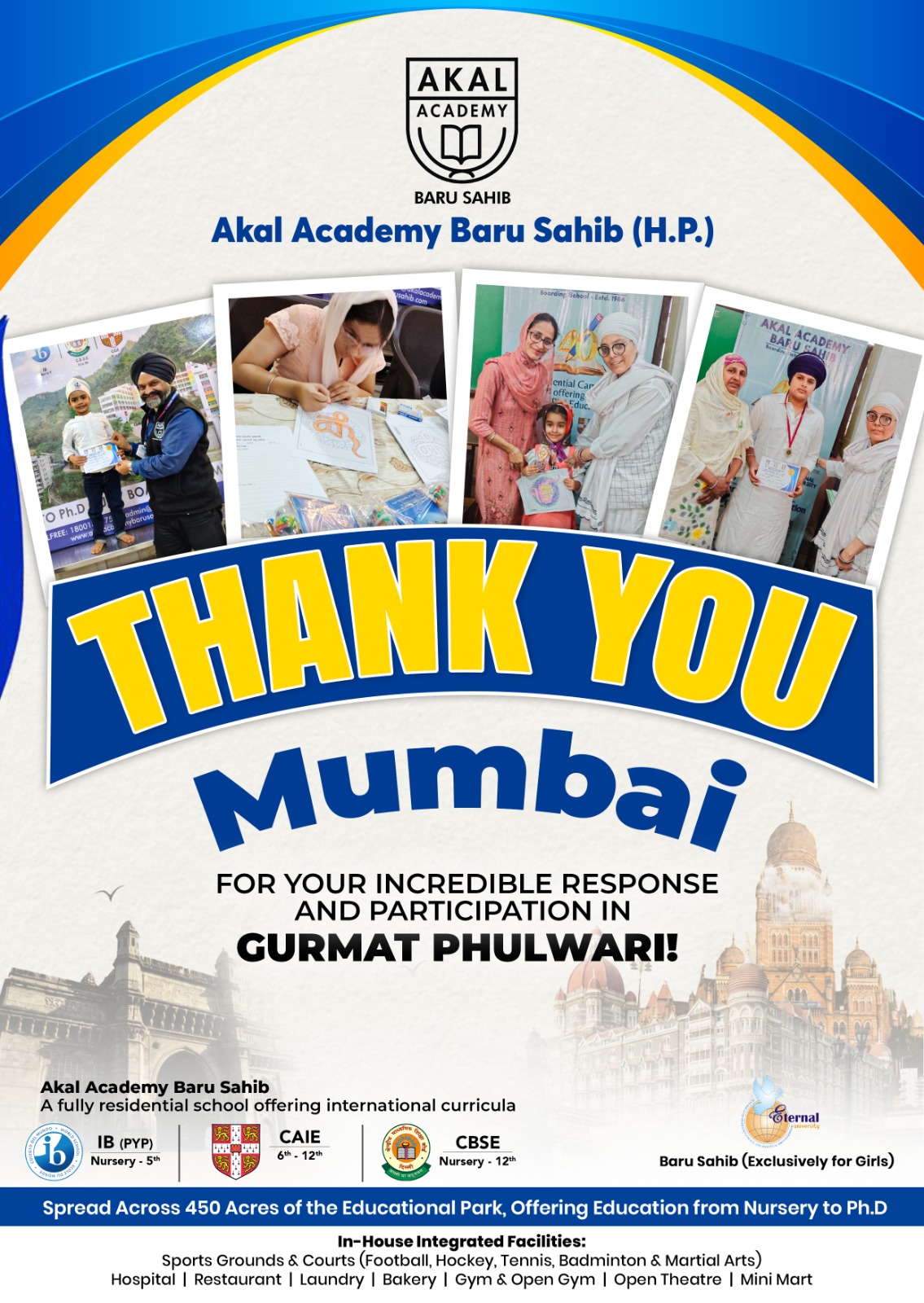
Immense gratitude to the revered Sadh Sangat Ji of Mumbai for the incredible response and enthusiastic participation in Gurmat Phulwari.
Gurmat Phulwari, Mumbai, commenced with Gurbani Kirtan performed by students of Akal Academy Baru Sahib with Tanti Saaj. Children, along with their families, from different places attended the event and participated in various Gurmat activities, including the Sakhi Competition, Painting & Drawing, Poetry Recitation, and the Gurmat Quiz, nurturing a deeper understanding of Sikh values, history, and traditions among the young participants. Post participation, children were awarded certificates and medals.
A heartfelt thank you to everyone who contributed to making Gurmat Phulwari in Mumbai truly memorable.
#akalacademybarusahib #gurmatphulwari #BabaIqbalSinghji #DrDavinderSinghJi #valuebasededucation #mumbai #maharashtra
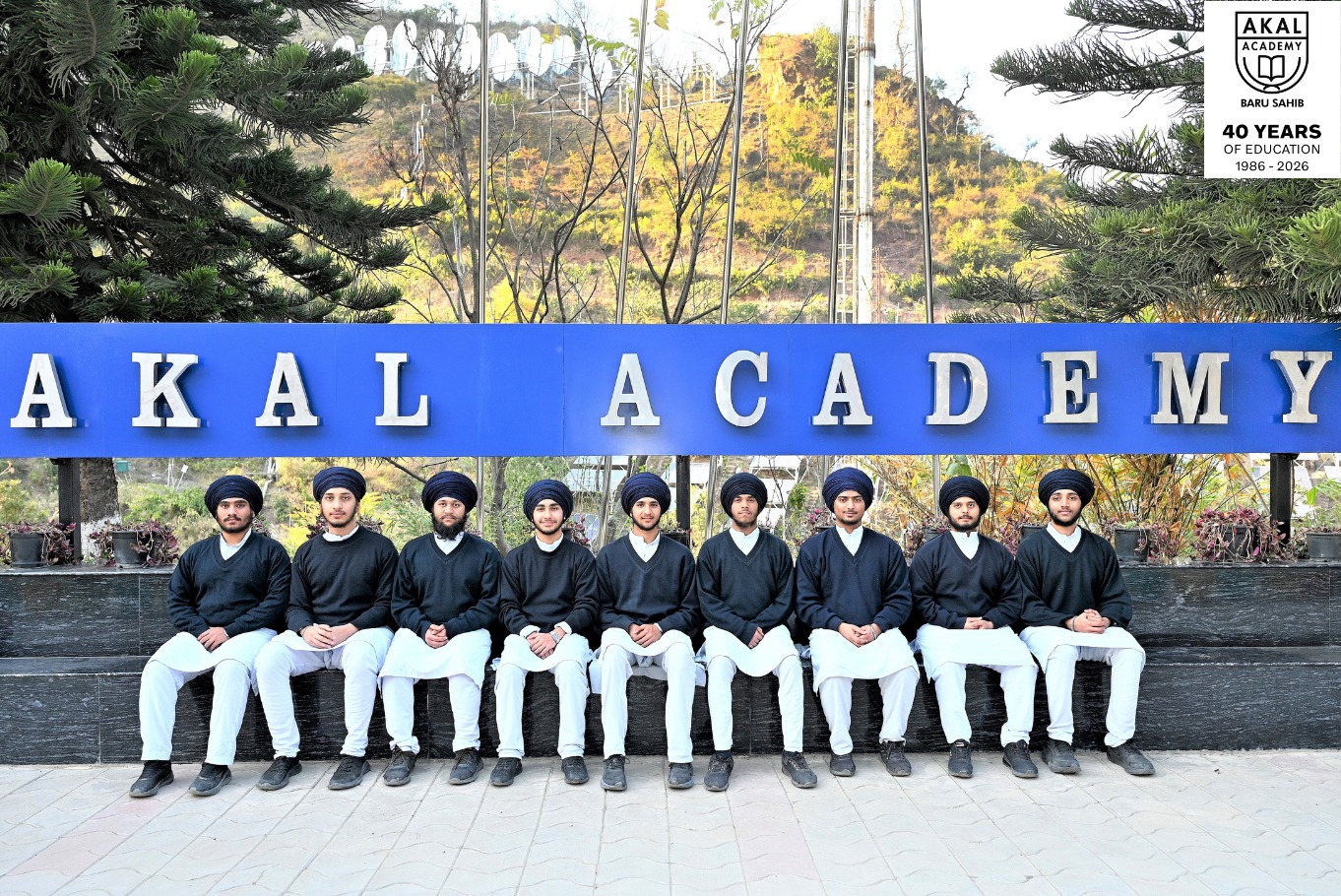
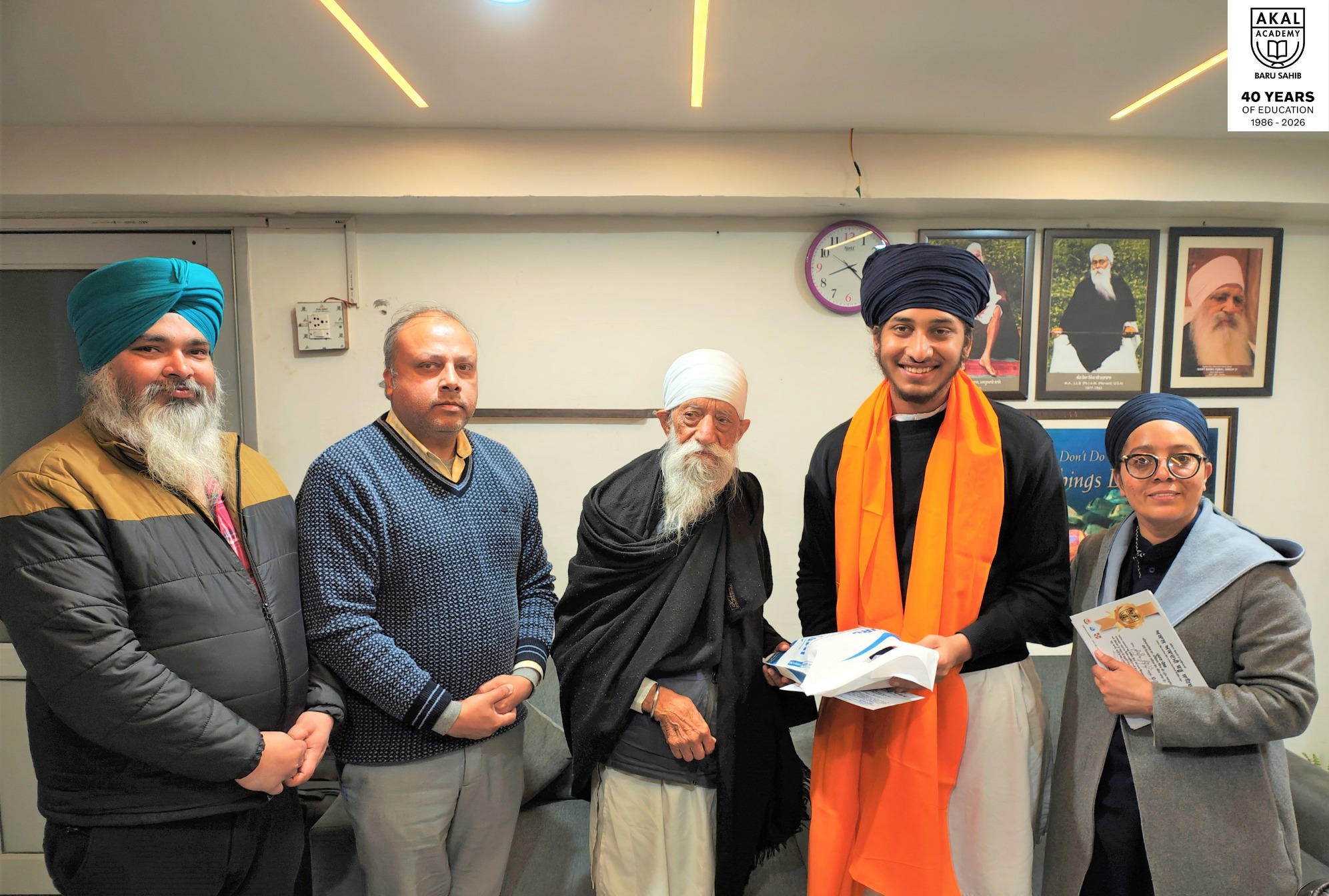
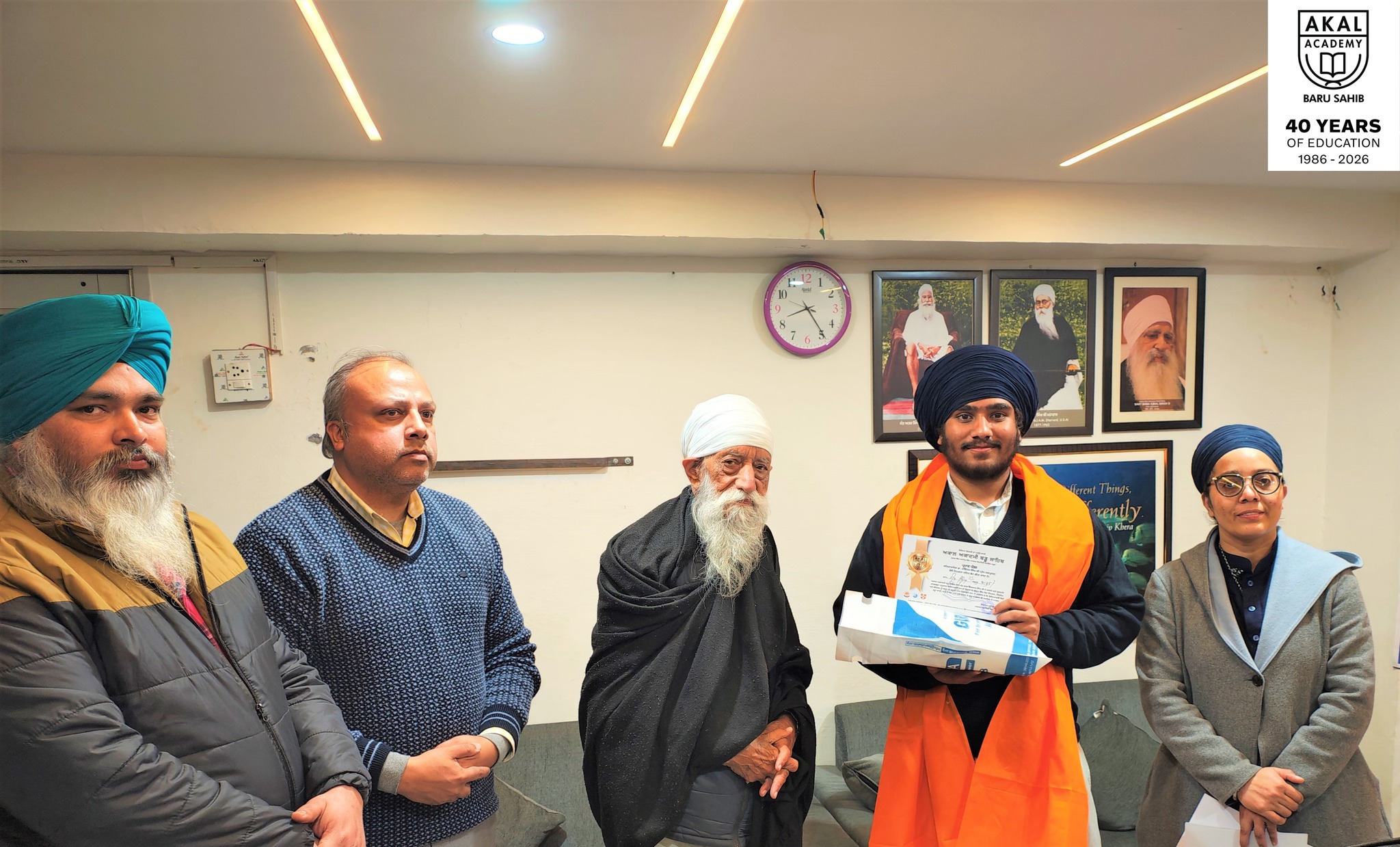
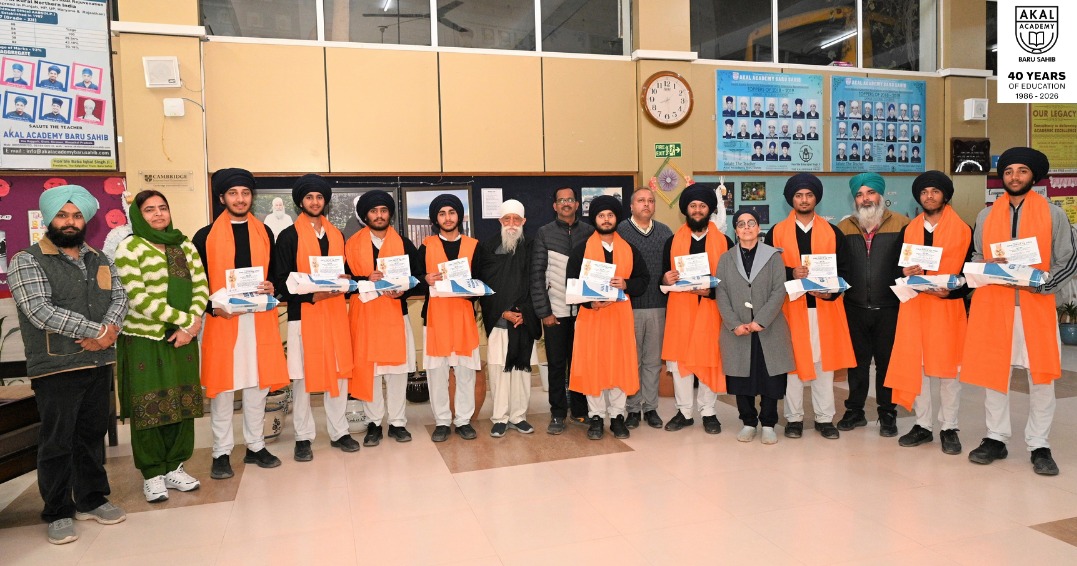
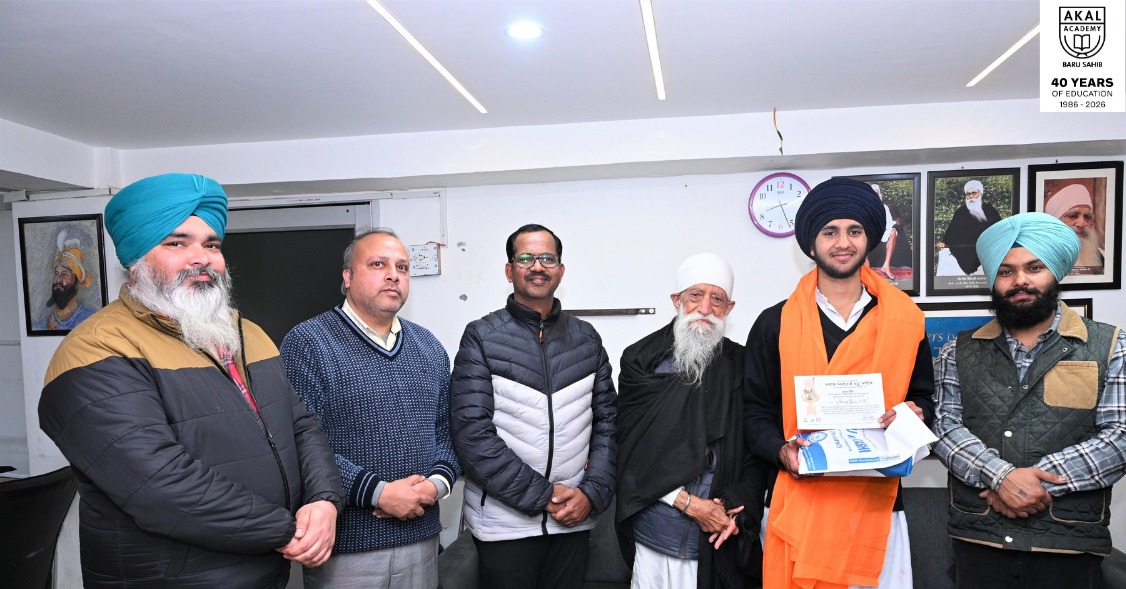
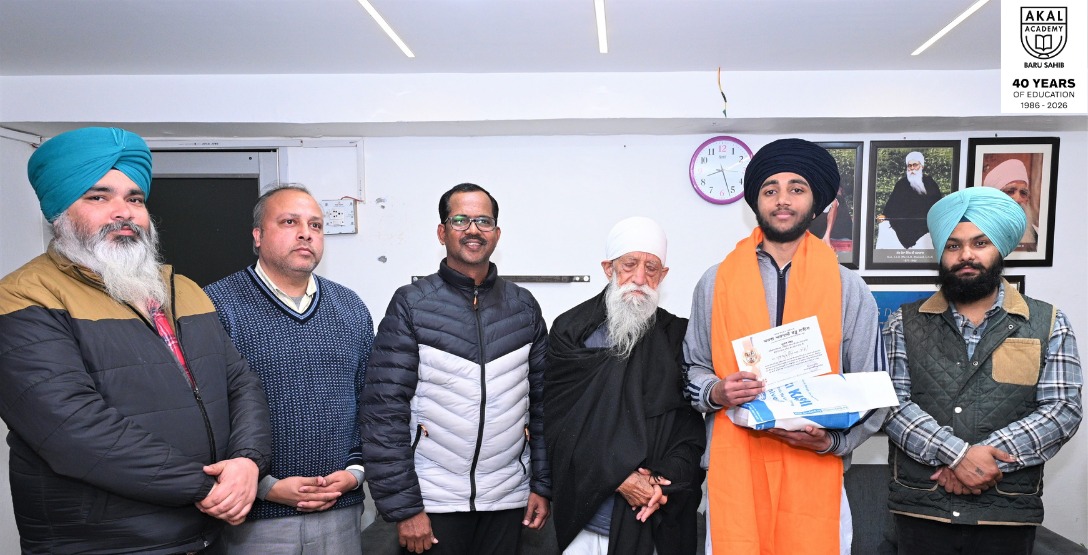
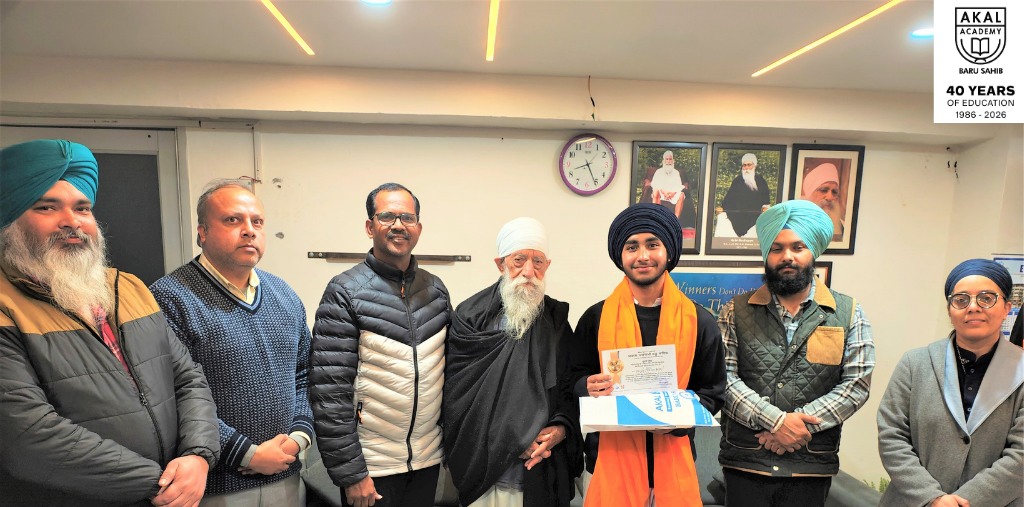
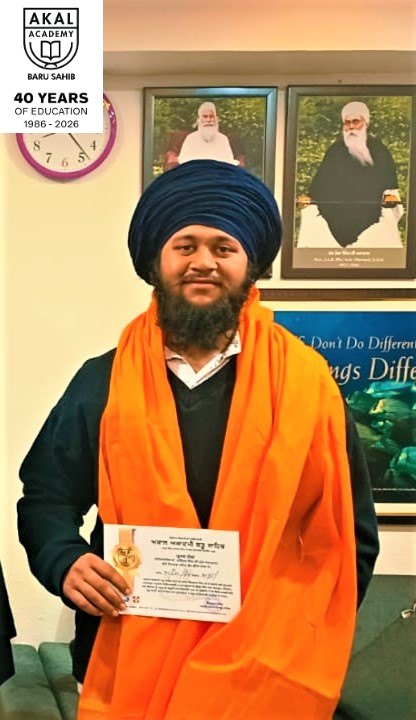
The Cambridge Grade 12 students have completed their Board Examinations, marking the culmination of their schooling years. For many, this journey reflects over 12 years of holistic education, character development, and globally aligned learning within these very corridors.
As they step forward into a wider world of opportunities, they carry with them academic excellence, resilience, and a global perspective shaped through the Cambridge pathway. Best wishes accompany them for purposeful futures and meaningful contributions across the world.
With deep Prayers from Revered Dr. Davinder Singh Ji and Dr. Neelam Kaur Ji:
"We extend our immense gratitude to the Lord Almighty for nurturing the pious children and see them today graduate from high school and enter a new chapter of life where they will stand as symbols of truth and divine courage to shape their lives and add value to their families and the world at large."
This is not a farewell; as alumni, they remain an integral part of the Akal Academy family.
Our Hope and Sustenance
🌿🌿🌿🌿🌿
#akalacademybarusahib #AkalAcademy #valuebasededucation #BabaIqbalSinghji #DrDavinderSinghJi #Cambridge
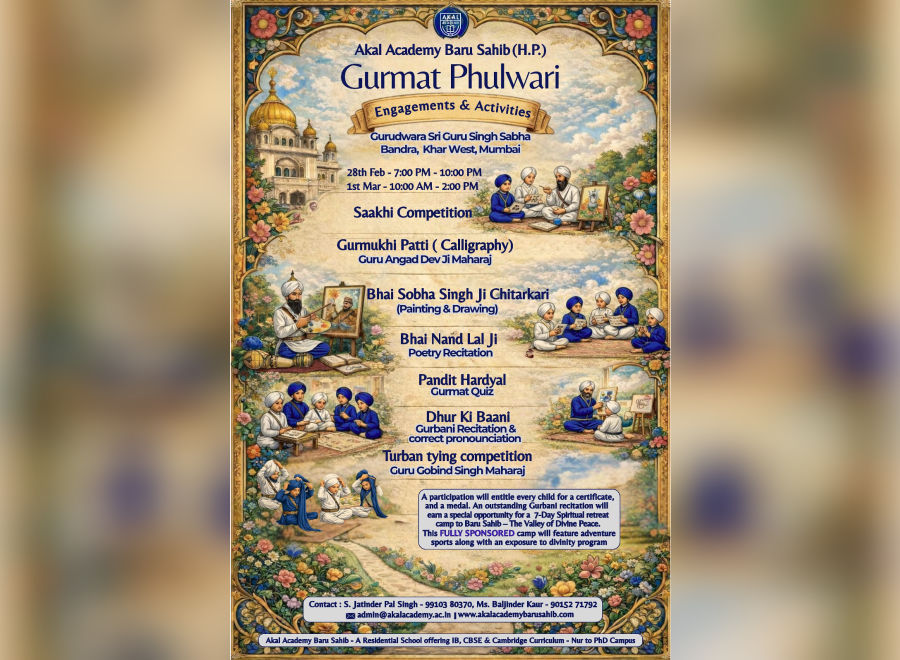
Gurmat Phulwari is organised throughout the year across India by Akal Academy Baru Sahib. Started in 2022, it has covered around 10 states and 50 cities across the country. As part of this ongoing initiative, Gurmat Phulwari is now being held in Mumbai today and tomorrow, encouraging more children, youth, and families to connect with Sikhi through meaningful and engaging activities rooted in Sikh values, history and traditions.
The programme includes various activities that help children develop a deeper understanding of Sikh values, history, and traditions. The activities include:
• Sakhi Competition
• Calligraphy
• Painting & Drawing
• Poetry Recitation
• Gurmat Quiz
• Gurbani Recitation (with correct pronunciation)
• Turban Tying Competition
Program Details
• Gurdwara Sri Guru Singh Sabha, Bandra (Khar West), Mumbai
• 28th February | 7:00 PM – 10:00 PM
• 1st March | 10:00 AM – 2:00 PM
Along with Gurmat Phulwari, admission counselling is also being conducted for Akal Academy Baru Sahib (offering IB, Cambridge & CBSE curricula) and Eternal University (a girls-only university).
We invite all the Sadh Sangat to kindly attend and bless the event with appji’s presence.
For more details, Kindly Contact
S. Jatinder Pal Singh – 9910380370
S. Balraj Singh – 8210258484
Ms. Beant Kaur - 8580764560
#akalacademybarusahib #gurmatphulwari #BabaIqbalSinghji #DrDavinderSinghJi #valuebasededucation #mumbai #maharashtra

Akal Academy Baru Sahib is organising Gurmat Phulwari and Admission Counselling on:
• 28th February | 7:00 PM – 10:00 PM
• 1st March | 10:00 AM – 2:00 PM
• Gurdwara Sri Guru Singh Sabha, Bandra (Khar West), Mumbai.
An international boarding school nestled in the serene Himalayan valleys, Akal Academy Baru Sahib is part of a 450-acre education park that houses an international school, a girls-only university, and Gurdwara Shri Baru Sahib.
Also known as a Modern Gurukul, the Academy offers value-based, spiritualised education alongside international and national curricula, including IB, Cambridge, and CBSE, blending the wisdom of ancient educational traditions with modern academic facilities.
Campus Highlights:
• 450-acre self-sustainable campus with an in-house hospital
• Spiritualised environment with Gurudwara Sri Baru Sahib within
the campus.
• Pollution-free and drug-free surroundings
• Safe and secure residential environment, especially for girls
• Expansive playgrounds – Hockey, Football, Tennis, Basketball &
Badminton courts
• State-of-the-art labs – Kinesthetic Lab, Maths Lab, Physics,
Chemistry & Biology Labs
• Yoga Room & Martial Arts Training Room
• Traditional Akhada
• In-house bakery & central kitchen serving nutritious meals
• In-house laundry facilities
Give your child an education rooted in values, discipline, and global academic standards.
For details and registration, kindly connect with us.
Register for admissions: https://www.akalacademy.in/register
Call us @ 18001807755
Website: www.akalacademybarusahib.com
WhatsApp: 9816400510
Email ID – admissions@akalacademy.ac.in
#mumbai #maharashtra #akalacademybarusahib #AdmissionsOpen
#TheKalgidharTrust #valuebasededucation #moderngurukul