
Emperor Ashoka – From Arrogance to Humility
In Indian history, Emperor Ashoka was once a ruthless ruler who sought conquest through war. However, after witnessing the horrors of the Kalinga War, he realised the futility of arrogance and power.
Article content
Instead of continuing his reign of dominance, he:
Renounced violence and embraced Buddhism.
Devoted himself to serving his people rather than ruling through fear.
Sent Buddhist monks across Asia to spread messages of peace, humility and non-violence.
Article content
His transformation from a proud conqueror to a humble servant of humanity is one of history’s greatest lessons on humility.
History teaches that true greatness is not in ruling over people, but in serving them. A person who remains humble, even when powerful, leaves a legacy that time cannot erase.
Guru Nanak Dev Ji summarised it best:
ਜਿਥੈ ਨੀਚ ਸਮਾਲੀਅਨਿ ਤਿਥੈ ਨਦਰਿ ਤੇਰੀ ਬਖਸੀਸ ॥ SGGS ਅੰਗ: 15
“Jithai neech samaali-an, tithai nadar Teri bakhsees.” SGGS, Pg. No. 15
(Where the humble are cared for, there Your blessings reside, O Lord.)
At Akal Academy, education is shaped by values, discipline, and a holistic learning environment. With a balanced focus on academics, residential life, and overall development, students are guided to grow with clarity, purpose, and perspective.
Entrance Tests for the Academic Session 2026–27 are being conducted at multiple locations across India, including Jammu, New Delhi, Mumbai, as well as at Akal Academy Baru Sahib and all Akal Academies.
Entrance Test Schedule – 2026–27
📍 Jammu
25th January
Near Ranjeet College of Education, Kunjwani
📍 New Delhi
16th & 17th February
F-3, Rajouri Garden
📍 Mumbai
1st & 2nd March 2026
302-B Wing, Good Will Society,
JB Nagar Road, Andheri East
📍 Akal Academy Baru Sahib & All Akal Academies
Entrance Test open till 1st March
We offer CBSE (Nursery–12), IB (Nursery–5), and Cambridge (6–12) programmes at our fully residential, co-educational boarding campus, established in 1986.
Humility is not just a moral value; it is a spiritual principle deeply rooted in every major faith. Across Sikh faith, Christianity, Islam, Hinduism, and Buddhism, humility is upheld as a path to wisdom, service, and self-realisation. Whether it is bowing before the Divine, serving others selflessly, or relinquishing ego, each religion emphasises humility as a way to attain true greatness.
Article content
Christianity: The Humility of Jesus Christ
Christianity teaches that humility is essential for spiritual growth. Jesus Christ, despite being regarded as the "King of Kings," lived a life of simplicity and service. One of the most profound acts of humility in Christianity is when Jesus washed the feet of his disciples before the Last Supper.
Islam: The Power of Submission
Islam emphasises that humility is the key to righteousness. The very word "Islam" means submission—not just to God, but to the reality that humans are dependent on Him.
Islamic Teachings on Humility:
“The best among you is the one who is most humble.” (Hadith)
Muslims bow and place their forehead to the ground in prayer—a physical act of humility before the Creator.
The concept of Zakat (charity) ensures that the wealthy support those in need, reinforcing humility through giving.
Hinduism: The Wisdom of Lowliness
Hinduism teaches that arrogance leads to destruction, while humility leads to wisdom and liberation.
Hindu Teachings on Humility:
The Bhagavad Gita states:
“The one who is free from arrogance and pride is truly wise.”
Sages like Sant Kabir and Tulsidas wrote about how humility is greater than knowledge.
Buddhism: The Ego as the Root of Suffering
Buddhism teaches that the ego is the greatest cause of suffering. The Buddha himself was born a prince but renounced luxury to live as a simple monk.
Buddhist Teachings on Humility:
“As a solid rock is not shaken by the wind, so the wise are not shaken by praise or blame.”
Monks own nothing and beg for food, reinforcing the idea that materialism feeds ego.
Through sketches and colours, students explore creativity while expressing ideas, emotions, and perspective through visual art. As an integral part of the curriculum, art reflects how students observe, think, and grow.
Here, art does not remain confined to paper. It quietly shapes perspective and understanding.
The artworks featured in this video, created by students and presented across various events, stand as a natural testimony to their learning journey.
Akal Academy Baru Sahib — 40 Years of Education (1986–2026)
We offer CBSE (Nursery–12), IB (Nursery–5), and Cambridge (6–12) programmes at our fully residential, co-educational boarding campus, established in 1986.
We welcome inquiries for admission into our globally aligned curriculum pathways.
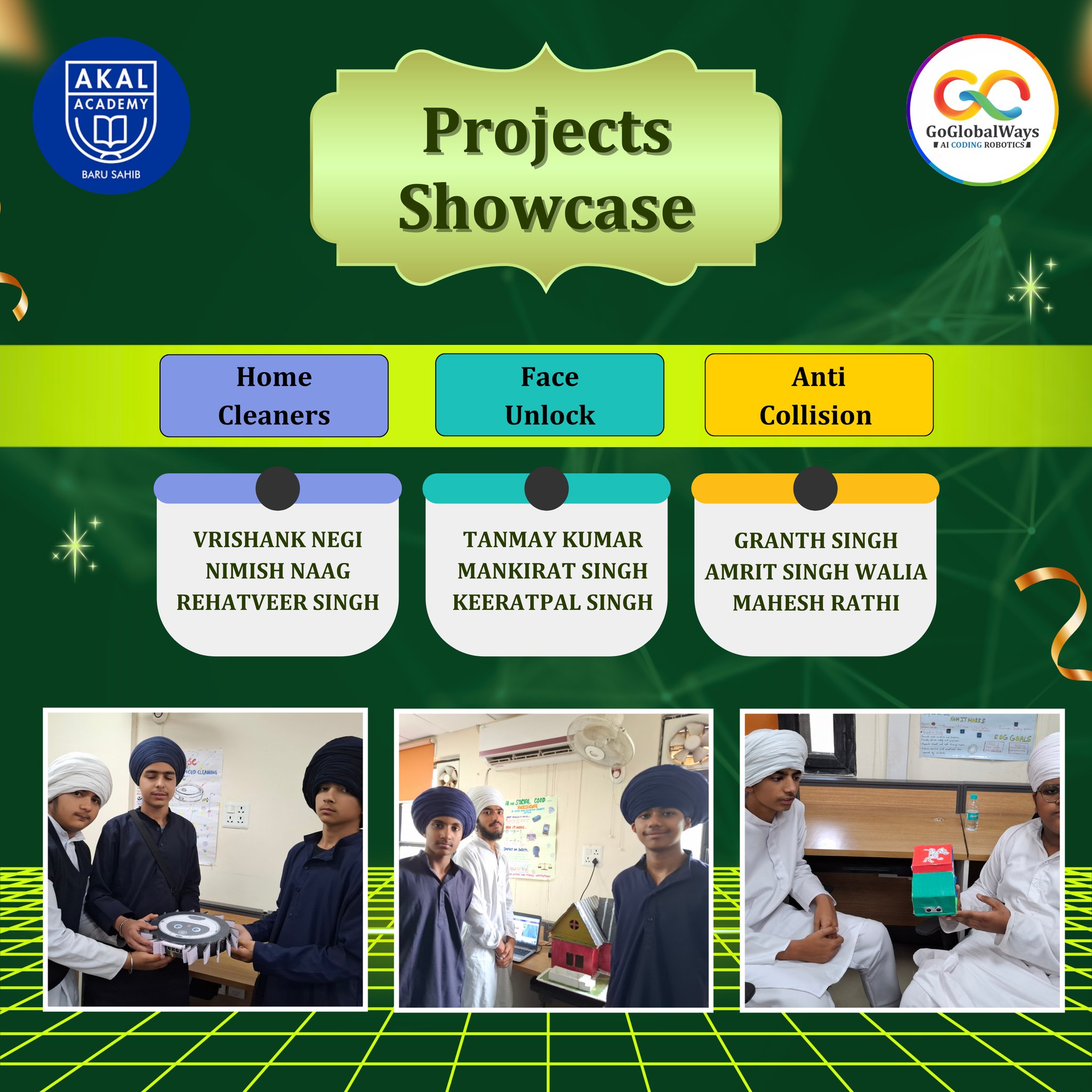
At Akal Academy, Baru Sahib, we integrate the Montessori approach with IB and Cambridge curricula, fostering hands-on, inquiry-based learning. Our state-of-the-art computer labs provide young learners with an interactive space to explore technology, develop problem-solving skills, and spark innovation.
With a strong foundation in digital learning, we are making tomorrow’s tech wizards!
Join us in shaping future innovators!
We offer CBSE (Nursery-12th), IB (Nursery-5th), and Cambridge (6th-12th) programs at its fully residential, coeducational boarding campus, established in 1986.
We welcome inquiries for admission into our globally aligned curriculum pathways:
📄 Register: https://www.akalacademy.in/register
Website: www.akalacademybarusahib.com
Contact us @ 18001807755
WhatsApp: 9816400510
Ego is deceptive. It blinds the mind, inflates self-importance, and distances a person from truth and wisdom. While humility builds, ego destroys—often in ways unnoticed until it’s too late.
Sikh teachings, along with history, warn against the dangers of ego (haumai). The Guru Granth Sahib repeatedly reminds us that ego is the root of suffering. Those who remain trapped in their pride cannot attain peace or true success.
Article content
1. The Pitfall of Ego in History – The Fall of Raavan
In the Ramayana, Raavan was one of the most powerful beings of his time. He had immense knowledge, unmatched strength, and great intelligence. Yet, his ego led to his destruction.
● Despite knowing the consequences, Raavan refused to humble himself before Lord Rama.
● His arrogance made him blind to reason, wisdom, and warnings.
● His downfall was not caused by a lack of power, but by his pride.
Article content
Lesson: Ego can make even the most powerful person weak. It destroys wisdom and kingdom clouds judgment, and leads to self-destruction.
2. Napoleon Bonaparte – The Leader Who Fell to Pride
Napoleon, once the most powerful ruler in Europe, believed he was invincible. He refused to listen to his advisers, dismissed concerns about his growing enemies, and launched an unnecessary war against Russia.
The result? His army of 600,000 men was reduced to fewer than 100,000. His ego led to his downfall.
Article content
3. Elizabeth Holmes – The Rise and Fall of Theranos
Holmes, once hailed as the "next Steve Jobs," refused to acknowledge mistakes, silenced critics, and led with pride instead of honesty.
Her company, Theranos, collapsed in one of the biggest frauds in history, proving that when leaders priorities their ego over the truth, they destroy trust, reputation, and success.
How Ego Destroys Relationships and Leadership
● Ego blinds us to our faults, making us defensive rather than self-reflective.
● It breaks relationships – pride stops us from apologising or listening to others.
● It weakens leaders – a leader consumed by ego cannot accept feedback and fails to change.
Hence, some of above examples help us understand that Ego-driven leadership, no matter how powerful, eventually collapses.
The greatest enemy is not outside of us—it is within. Ego destroys a person from. But when we recognise it, we gain control over it.
ਹਉਮੈ ਦੀਰਘ ਰੋਗੁ ਹੈ ਦਾਰੂ ਭੀ ਇਸੁ ਮਾਹਿ ॥ SGGS ਅੰਗ: 466
“Haumae ḋeeragh rog hae ḋaaroo bhee is maahi.” SGGS, Pg. No. 466
Ego is a chronic disease, but it contains its own cure as well.